

Hair loss affects millions of people worldwide, impacting confidence, self-image, and overall well-being. While traditional treatments—such as topical solutions, oral medications, and hair transplant surgery—have been around for years, many individuals seek a more natural, minimally invasive solution with fewer side effects and longer-lasting results. This is where PRP for Hair Loss has emerged as one of the most promising innovations in hair restoration.
Over the past decade, PRP for Hair Loss has gained widespread popularity among dermatologists, trichologists, and cosmetic practitioners for its regenerative potential and scientifically proven ability to stimulate hair growth. This powerful treatment uses the body’s own healing mechanisms to rejuvenate hair follicles, improve density, and slow down hair loss.
In this article, we explore the science behind PRP for Hair Loss, who it is best suited for, what to expect during treatment, benefits, risks, costs, aftercare, and how it compares to other hair loss solutions.
What Is PRP and How Does It Work?
PRP for Hair Loss stands for Platelet-Rich Plasma, a concentrated component of your own blood that is rich in growth factors and healing proteins. These growth factors play a major role in tissue repair, cell regeneration, and inflammation control.
The science behind PRP for Hair Loss involves three key steps:
1. Blood Collection
A small amount of blood—typically around 10–20 ml—is drawn from the patient’s arm, similar to a routine blood test.
2. Plasma Separation
The collected blood is placed into a centrifuge, a machine that spins at high speed to separate the components. Within minutes, the blood splits into three layers:
- Platelet-poor plasma
- Platelet-rich plasma (the desired layer)
- Red blood cells
The PRP layer contains 3–5 times more platelets than normal blood.
3. Scalp Injection
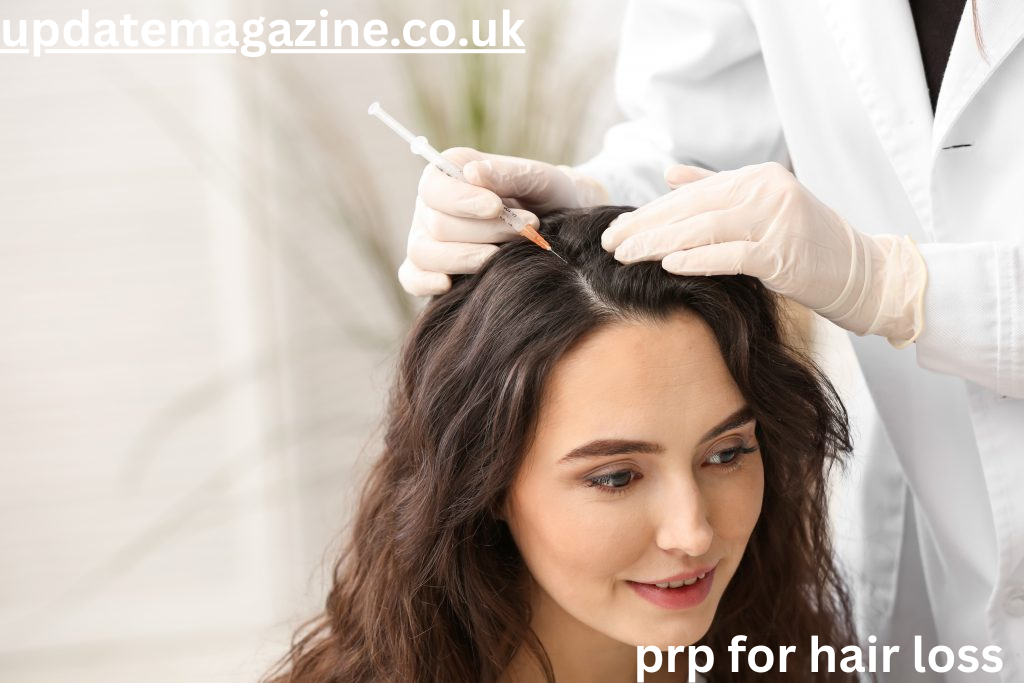
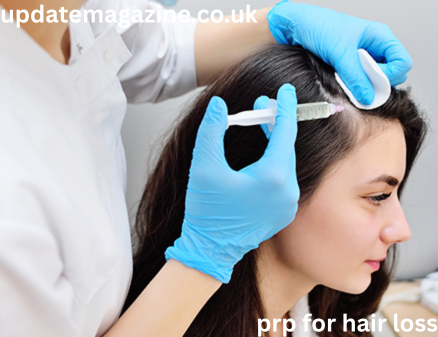
The concentrated PRP for Hair Loss is injected into the scalp areas affected by thinning or hair loss. These injections stimulate dormant hair follicles, improve blood circulation, extend the growth phase of the hair cycle, and encourage new hair growth.
How PRP Helps Combat Hair Loss
PRP therapy supports hair regrowth through several mechanisms:
Stimulates Hair Follicles
Growth factors like VEGF, PDGF, and IGF-1 found in PRP help reactivate weak or dormant hair follicles.
Improves Blood Supply
Enhanced blood flow brings more oxygen, nutrients, and supporting hormones to the follicles, creating a healthier environment for growth.
Reduces Inflammation
Inflammation is a major cause of hair loss in men and women. PRP for Hair Loss calms inflammation and supports healthier scalp function.
Strengthens Hair Shaft
New hairs grow thicker and stronger, improving overall hair density.
Supports Natural Hair Growth Cycle
PRP prolongs the anagen (growth) phase of hair, helping hair stay longer and grow thicker.
Because PRP for Hair Loss works with the body’s natural healing process, it is considered one of the safest hair restoration options available.
Who Is a Good Candidate for PRP?
While PRP can help many people, it works best for specific types of hair loss.
Ideal Candidates
Individuals with early- to mid-stage hair thinning
Men with androgenetic alopecia (male-pattern baldness)
Women experiencing diffuse hair thinning
People with weakened or miniaturized hair follicles
Those who want natural, non-surgical treatment
Individuals who cannot take oral hair loss medications
Conditions PRP Works Well For
- Androgenetic alopecia
- Telogen effluvium
- Stress-related hair shedding
- Thinning due to hormonal imbalance
Who May Not Benefit Much from PRP?
- Individuals with complete baldness (no follicles remain)
- People with certain blood disorders
- Patients on blood thinners
- Those with chronic medical conditions affecting healing
A consultation with a dermatologist or hair specialist will determine if PRP for Hair Loss is suitable based on medical history and hair condition.
The PRP Treatment Procedure: Step-by-Step
A typical session lasts between 45 minutes and 1 hour.
1. Consultation and Assessment
Your doctor begins by analyzing your scalp, discussing hair loss patterns, and reviewing your medical history.
2. Blood Draw
A small blood sample is collected and placed into a centrifuge.
3. Preparation of PRP
The centrifuge spins the blood for 10–15 minutes to isolate the platelet-rich plasma.
4. Numbing Cream or Local Anesthetic
To minimize discomfort, your doctor may apply a numbing gel to the scalp.
5. PRP Injection
Using a fine needle, PRP for Hair Loss is injected into the thinning areas. Most patients experience mild pressure or tingling.
6. Post-Treatment Care
You may resume normal activities immediately, though heavy exercise and scalp washing are usually avoided for 12–24 hours.
How Many PRP Sessions Are Needed?
PRP is not a one-time treatment. For best results:
Initial Treatment Phase
Most specialists recommend:
- 3–6 sessions
- Spaced 4–6 weeks apart
Maintenance Phase
After achieving visible improvement, maintenance sessions are necessary:
- 1 session every 4–6 months
Consistency is key to long-term success.
Benefits of PRP for Hair Loss
1. Natural and Safe Treatment
Because PRP for Hair Loss comes from your own blood, there is no risk of allergic reactions or chemical side effects.
2. Minimally Invasive and Non-Surgical
PRP for Hair Loss is an in-office procedure with no need for anesthesia, cutting, or stitches.
3. Enhances Hair Density and Thickness
Many patients notice fuller, stronger, and healthier-looking hair within months.
4. Slow and Steady Improvement
PRP gradually enhances hair quality, providing a natural-looking outcome.
5. Suitable for Both Men and Women
Unlike some medications that work primarily for men, PRP benefits all genders.
6. Can Enhance Other Treatments
PRP works extremely well alongside:
- Minoxidil (topical)
- Finasteride (men)
- Low-level laser therapy (LLLT)
- Microneedling
- Hair transplant surgery
Possible Side Effects and Risks
PRP is considered very safe, but minor side effects can occur:
- Mild swelling or redness
- Slight bleeding at injection sites
- Tenderness or soreness
- Temporary scalp tightness
- Small bruises
These effects usually resolve within 24–48 hours.
Severe complications are rare, especially when performed by certified professionals.
Results: What to Expect
PRP is effective but requires patience.
Timeline of Expected Results
- 1–2 months: Reduced shedding, improved scalp health
- 3–4 months: Early signs of new growth
- 6–9 months: Thicker, denser hair becomes visible
- 12 months: Full improvement is noticeable
- Continuous Maintenance: Keeps hair stronger long-term
Results vary depending on genetics, hair loss cause, age, and consistency.
How PRP Compares to Other Hair Loss Treatments
PRP vs. Minoxidil
- Minoxidil must be used daily and may cause irritation.
- PRP involves fewer sessions but offers deeper root-level stimulation.
PRP vs. Finasteride
- Finasteride works hormonally and is effective but may cause side effects in men.
- PRP is safer and suitable for both men and women.
PRP vs. Hair Transplant
- Hair transplant is best for advanced baldness.
- PRP helps early-stage thinning and maintains transplanted hair.
PRP + Other Treatments
Many specialists recommend combining PRP with medications or transplants for maximum results.
Cost of PRP for Hair Loss
The cost varies based on location, clinic expertise, and number of sessions. Typical average cost:
- $250 to $1,000 per session
- Total initial package: $1,000 to $3,000
Though not inexpensive, it is far cheaper than surgical options and offers natural results.
Post-Treatment Guidelines
To maximize results:
Avoid for 24 Hours
- Hair washing
- Harsh shampoos
- Heavy exercise
- Direct sunlight
- Alcohol and smoking
Do
- Keep hydrated
- Follow prescribed hair care routine
- Attend all scheduled sessions
- Avoid picking or scratching the scalp
Is PRP Worth It?
For many people, yes.
PRP is one of the most promising, natural, and effective options for early-stage hair loss. It rejuvenates follicles from within, improves hair quality, and delivers long-term benefits with minimal risks. Although results vary, a majority of patients report noticeable improvement in density, reduced shedding, and healthier hair overall.
PRP is not a miracle cure, but when performed by a licensed professional and combined with proper lifestyle and hair care, it can be a life-changing solution.
Final Thoughts
Hair loss can be stressful and emotionally challenging, but innovative treatments like PRP offer hope, confidence, and real improvement. As a non-surgical, natural therapy backed by science, PRP continues to revolutionize the world of hair restoration. Whether you’re just beginning to notice thinning or are seeking a supportive treatment alongside others, PRP provides a safe and effective path toward healthier, fuller hair.