

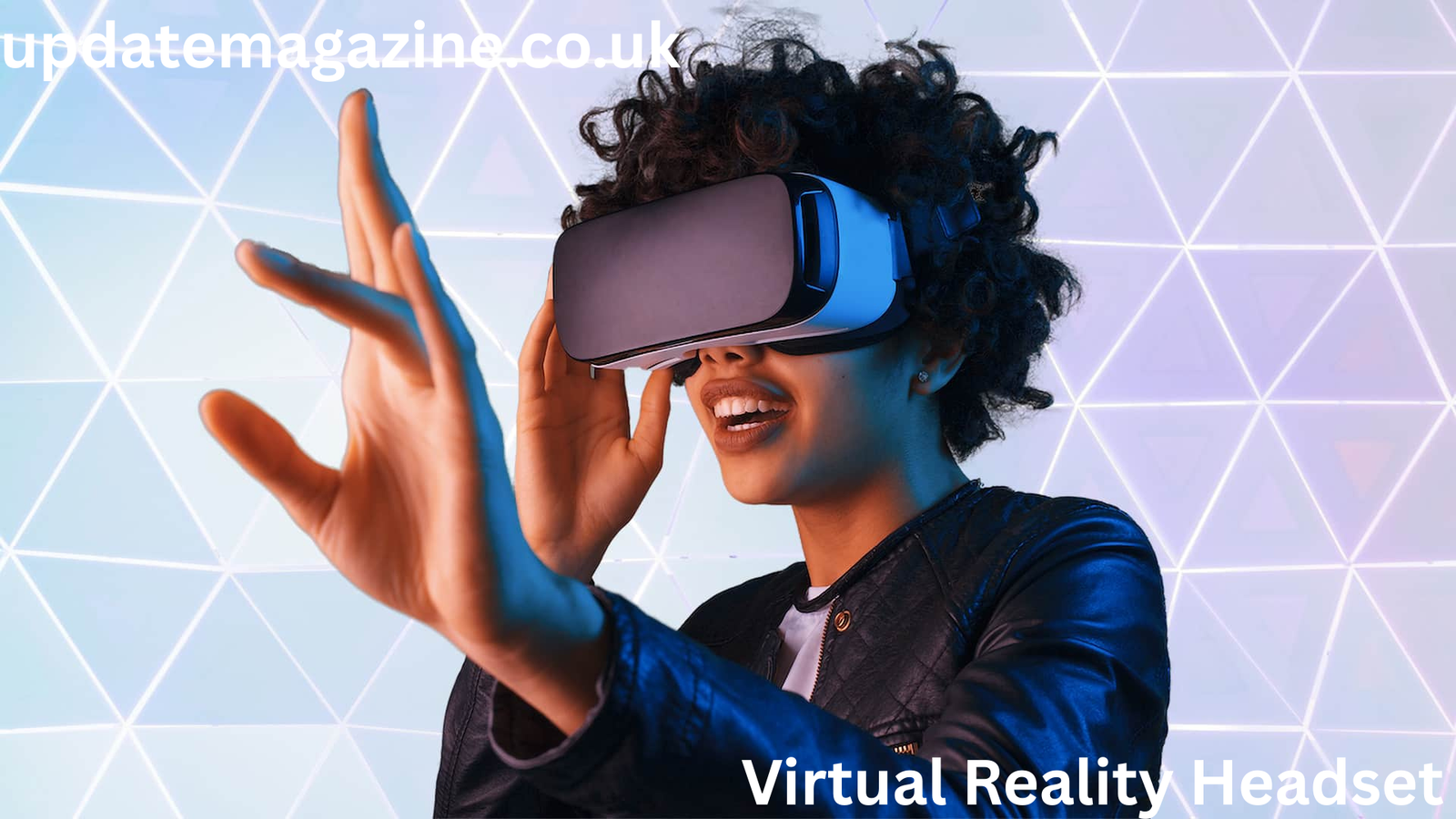
Virtual Reality Headset has moved from a futuristic concept into a mainstream technology that influences gaming, education, healthcare, business and everyday digital interactions. At the center of this transformation is the virtual reality headset, a device designed to immerse the user in a fully interactive three dimensional environment. Whether used for entertainment, training or creative exploration, Virtual Reality Headset have become powerful tools that reshape how people experience digital content. This article provides a comprehensive exploration of virtual reality headsets, covering their history, design, features, uses, technological advancements and future potential.
Origins and Evolution of Virtual Reality Headsets
The concept of virtual reality began long before modern screens and processors existed. Early attempts at immersive technology date back to primitive stereoscopic viewers that created the illusion of depth using paired images. Over time, advancements in optics, computer graphics and motion tracking led to the invention of devices intended to simulate full immersive environments.
Modern Virtual Reality Headset evolved from decades of experimentation. Early research prototypes were large, heavy and expensive, designed mainly for military and industrial use. Over the years, improvements in display technology, sensors and computing power made it possible to develop compact Virtual Reality Headset accessible to consumers. Today’s Virtual Reality Headset combine lightweight materials, advanced optics and high resolution displays to create realistic virtual environments.
Understanding How a Virtual Reality Headset Works
The fundamental concept behind a Virtual Reality Headset is immersion. The device blocks the user’s view of the real world and replaces it with computer generated imagery. The headset contains lenses placed between the user’s eyes and internal screens, creating a stereoscopic image that enhances depth perception. Sensors track head movements, allowing the digital world to shift realistically in response.
The combination of displays, motion tracking and audio produces a multi sensory experience. When the user turns their head, the virtual environment responds instantly, allowing them to look around naturally. In more advanced systems, hand tracking and motion controllers allow users to interact with virtual objects, enhancing the realism and functionality of the experience.
Different Types of Virtual Reality Headsets
Virtual Reality Headset exist in several categories, each designed for specific needs and levels of immersion. Standalone Virtual Reality Headset operate independently without a computer or gaming console. They include built in processors, battery and displays, offering flexibility and portability. Computer powered headsets deliver higher performance by relying on external software and advanced graphics cards. They are ideal for high resolution experiences and complex applications. Console based headsets are designed specifically for gaming systems, offering a mix of performance and ease of use.
Additionally, mobile VR headsets use smartphones inserted into a frame to create a simplified form of virtual reality. Although less powerful than other types, they helped introduce the technology to a wide global audience before standalone and computer powered headsets became more accessible.
Display Technologies Inside VR Headsets
The visual quality of a VR experience depends heavily on the type of display used inside the headset. Modern VR headsets typically rely on OLED or LCD panels. OLED displays offer deeper blacks and better contrast, enhancing the realism of dark scenes. LCD displays, on the other hand, often provide sharper images and higher brightness. Resolution is equally important, as higher resolution displays reduce the screen door effect, a phenomenon in which visible pixels disrupt immersion.
Field of view determines how much of the virtual world is visible at once. A wider field of view creates a more natural experience, making the user feel less like they are looking through a tunnel. Refresh rate also plays a critical role. Higher refresh rates reduce motion sickness and create smoother visuals during fast movement.
The Importance of Motion Tracking Systems
Without accurate motion tracking, virtual reality would feel unnatural and disorienting. Inside VR headsets, sensors detect head position, angle and movement. Gyroscopes and accelerometers track rotation and acceleration, while external or internal cameras track position in space. Some headsets use inside out tracking, where sensors in the device map the environment. Others rely on external sensors placed around the room.
Hand tracking and motion controllers greatly expand the level of interaction. Users can reach out, grab objects, manipulate tools and perform natural gestures. Advanced tracking technologies even capture individual finger movements, allowing for more precise control in virtual environments.
Audio and Spatial Sound Integration
Sound plays a vital role in the VR experience. Most headsets include integrated speakers or compatibility with high quality headphones. Spatial audio technology simulates how sound behaves in a three dimensional environment. It adjusts audio based on the user’s position and movement, making sounds appear to come from specific directions.
This immersive sound design enhances realism. The user might hear footsteps approaching from behind or a voice coming from a distant corner of a room. Such audio cues guide movement and heighten emotional impact, especially in gaming, storytelling and training applications.
Use of VR Headsets in Gaming and Entertainment
Virtual reality gaming has become one of the most popular uses for VR headsets. Gamers can step directly into virtual environments, solving puzzles, battling opponents, exploring detailed worlds or participating in sports simulations. The level of immersion far exceeds traditional gaming experiences.
Beyond gaming, VR headsets are used in virtual cinemas, interactive videos, live events and three dimensional storytelling. Viewers can feel as if they are present within the environment rather than simply observing it. VR art and design tools also allow users to paint, sculpt and create in a digital space with intuitive movements.
Applications in Education and Training
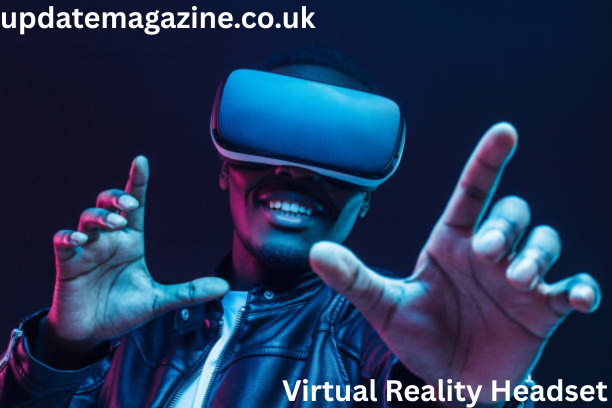
Education has embraced virtual reality for its ability to bring abstract concepts to life. Students can explore the solar system, enter historical locations, observe biological processes and engage in immersive lessons that capture attention. Interactive simulations increase retention by allowing learners to experience concepts rather than simply reading about them.
VR is extensively used in professional training. Medical students practice surgeries in virtual operating rooms. Engineers train on complex machinery without risk. Pilots use VR systems to practice flying under various conditions. This safe, controlled environment reduces mistakes and prepares trainees for real world challenges.
Business and Enterprise Uses for VR Headsets
Businesses use virtual reality for communication, collaboration and productivity. Virtual meeting rooms allow teams from different locations to work together as if they were physically present. Architects use VR to walk clients through building designs. Retail companies use virtual environments to display products or simulate store layouts.
Human resources departments use VR for onboarding, safety training and recruitment simulations. Manufacturing companies implement VR to visualize prototypes before production, saving time and cost. The versatility of VR makes it a valuable tool across many industries.
Healthcare and Therapeutic Applications
The healthcare industry has found innovative uses for virtual reality headsets. VR is used for pain management by distracting patients during medical procedures. It is employed in physical therapy to motivate movement and track progress. Mental health professionals use VR exposure therapy to help patients facing phobias, anxiety or trauma.
Virtual reality provides a controlled environment where individuals can confront fears or practice coping strategies. It offers an engaging and customizable platform for improving patient outcomes.
Design Considerations and Comfort Factors
A VR headset must be comfortable for extended use. Factors such as weight distribution, padding, strap design and ventilation all contribute to user comfort. Lighter headsets reduce strain on the neck and face. Adjustable straps ensure a secure fit, while proper ventilation prevents lenses from fogging.
Lens clarity and the presence of adjustable distance settings help accommodate users with different vision needs. Many headsets allow for prescription lens inserts, expanding accessibility for a wider audience.
Challenges and Limitations of Virtual Reality Headsets
Although VR technology has advanced significantly, challenges remain. Some users experience motion sickness caused by mismatched sensory input. High resolution displays and fast tracking reduce this issue, but it has not been eliminated entirely. Battery life limits the duration of standalone headsets, while wired headsets restrict movement.
Cost is another barrier, as high end systems require powerful hardware. Content availability also affects user adoption. Developers must create diverse and engaging experiences to keep users invested in VR as a long term medium.
Technological Advancements Driving the Future of VR
Innovations continue to push Virtual Reality Headset forward. Improvements in eye tracking allow for foveated rendering, which reduces processing requirements by focusing high resolution on the area the user is directly looking at. Advances in hand tracking eliminate the need for controllers in many experiences.
Higher resolution displays and wider fields of view enhance realism. Lighter materials and improved ergonomics increase comfort. Integration with artificial intelligence enables more dynamic environments and responsive virtual characters. Future headsets may become smaller, more powerful and capable of blending virtual and physical realities through mixed reality features.
The Future of Virtual Reality Headsets
The future of VR headsets is promising. As technology evolves, VR will become more accessible, immersive and integrated into everyday life. Potential future uses include fully realized virtual workplaces, advanced medical simulations, personalized learning environments and expansive entertainment experiences.
Eventually, VR headsets may evolve into lightweight glasses or compact wearable devices, offering seamless transitions between real and virtual worlds. The continued growth of software content, combined with hardware innovation, will solidify virtual reality as a transformative technology across industries.
Conclusion
Virtual reality headsets represent a significant milestone in digital technology. They open the door to immersive experiences that were once unimaginable, offering new ways to play, learn, explore, communicate and solve real world problems. As the technology continues to improve, VR headsets will become even more influential, shaping the future of entertainment, education, business and human interaction.
Understanding the workings, applications and potential of virtual reality headsets allows users and industries to embrace this revolutionary tool. Virtual reality is not just a technological trend but a powerful medium that redefines the boundaries of digital experience.