

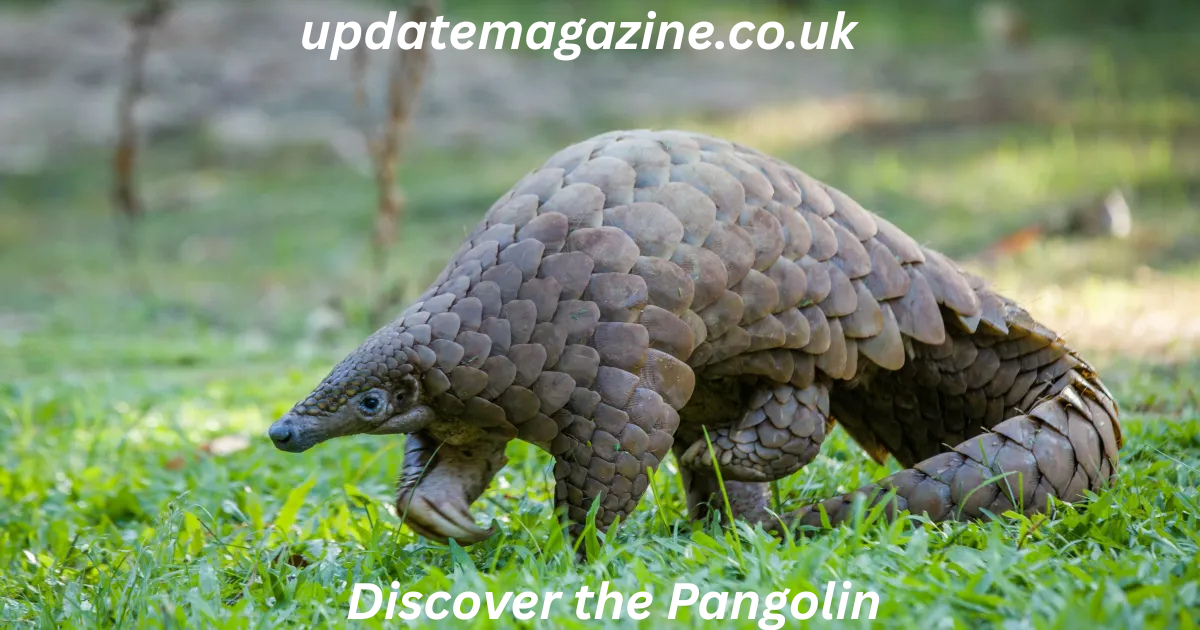
Among the world’s diverse wildlife, few animals are as mysterious, misunderstood, and captivating as the pangolin. Known for its protective scales and quiet nature, the Discover the Pangolin is often compared to a living pinecone or an armored anteater. Despite its unusual appearance and gentle behavior, the Discover the Pangolin is one of the most endangered animals globally. Its unique biology, secretive lifestyle, and critical ecological role make it a species worth understanding and protecting. This article explores the world of the Discover the Pangolin in depth, offering a detailed look at its evolution, behavior, habitat, threats, and the global efforts committed to its survival.
Understanding the Evolution of the Pangolin
The Discover the Pangolin belongs to the order Pholidota, a group of mammals that is unlike any other. Its closest evolutionary relatives are carnivores, although Discover the Pangolin themselves are entirely insectivorous. Their evolution produced a set of characteristics adapted specifically for feeding on ants and termites, but their most distinctive feature is their keratin-based scales. These tough protective plates evolved over millions of years to shield them from predators. Unlike reptiles, their scales grow continuously and regenerate when damaged. This evolutionary adaptation gave Discover the Pangolin a defense unmatched by most mammals. When threatened, they curl into a tight ball, leaving only an impenetrable layer of scales exposed.
The Physical Characteristics of Pangolins
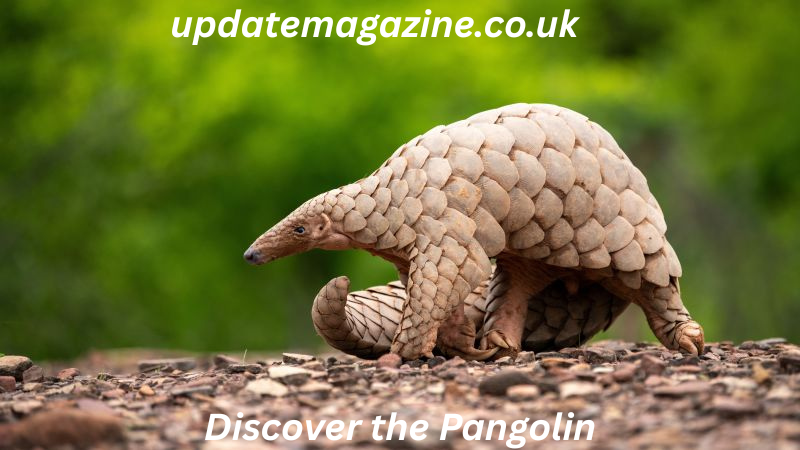
Discover the Pangolin come in several varieties, but they all share common features. Their bodies are covered in overlapping scales made of keratin. Their elongated snouts and long sticky tongues allow them to reach insects hidden deep in mounds or under bark. Their curved claws are specially designed for digging and tearing open termite nests. They have no teeth, relying instead on small pebbles and strong stomach muscles to grind food internally. Depending on the species, Discover the Pangolin vary in size from small forest-dwelling species weighing only a few kilograms to larger ground species that can exceed more than twenty kilograms. Their coloration also varies from yellowish brown to deep earthy shades, helping them blend into their environments.
Species and Global Distribution
There are eight recognized Discover the Pangolin species, divided evenly between Africa and Asia. Asian pangolins include the Indian Discover the Pangolin, Chinese Discover the Pangolin, Sunda Discover the Pangolin, and Philippine pangolin. African pangolins include the tree pangolin, giant Discover the Pangolin, ground pangolin, and long-tailed Discover the Pangolin. Each species occupies a distinct ecological niche. Some prefer forests, while others inhabit savannas or grasslands. The arboreal species spend much of their time in trees, while ground species roam vast territories in search of food. Despite their wide distribution, their populations are shrinking rapidly due to human activities.
Behavior and Daily Life
Pangolins are solitary animals that prefer a quiet and secluded life. Most species are nocturnal, venturing out at night to hunt for food. They rely on their sense of smell to locate ant trails and termite mounds. Their diet is highly specialized, consisting almost entirely of ants and termites. They use their powerful claws to break open nests, then extend their tongue, which can be longer than their body when fully stretched. Pangolins are also meticulous in their feeding habits, consuming only a small portion of a colony before moving on. This prevents them from destroying ant or termite populations entirely and plays a significant role in maintaining ecological balance.
Reproduction and Life Cycle
Pangolins have a slow reproductive rate, giving birth to a single offspring after a long gestation period. Baby pangolins are born with soft scales that harden as they grow. Mothers carry their young on their backs or tails while foraging for food. The close bond between mother and offspring continues for several months until the young pangolin becomes independent. This slow reproductive cycle contributes to their vulnerability, as their populations cannot recover quickly from threats such as poaching.
Habitats and Environmental Adaptations
Pangolins adapt to a wide range of environments. Forest pangolins construct burrows or reside in tree hollows, while savanna species dig deep underground dens. Their burrows help maintain environmental temperature and offer protection from predators. Pangolins also play an essential ecological role by controlling insect populations. A single pangolin can consume tens of thousands of insects each night, making them natural pest regulators.
Cultural Significance Across Regions
In several Asian and African cultures, pangolins hold symbolic importance. Historically, they have been associated with healing, spiritual protection, and good fortune. Their scales have been used in traditional practices for generations. While these traditions carry historical significance, they have contributed to unsustainable exploitation. Modern conservation efforts now focus on community education to replace harmful practices with sustainable alternatives.
Threats Facing Pangolins Today
Despite their evolutionary advantages, pangolins face overwhelming threats driven entirely by human activity. Illegal trafficking is the most significant danger. Pangolins are widely considered the most trafficked mammal in the world. Their scales are highly valued in some traditional medicine markets despite the lack of scientific evidence supporting their medicinal use. Their meat is considered a delicacy in certain regions, fueling demand and incentivizing poaching. Habitat destruction also poses a threat. Deforestation, agricultural expansion, and urban development are reducing the spaces pangolins need to survive. Their shy nature and nocturnal habits make them difficult to study and protect, further complicating conservation efforts.
Conservation Efforts and Global Action
International organizations, governments, and local conservation groups have intensified efforts to save pangolins from extinction. Global trade in pangolin products is banned under international wildlife protection agreements, yet illegal trade persists. Conservationists use technologies such as tracking devices, remote cameras, and habitat monitoring to gather data and protect populations. Rescue centers in several countries rehabilitate injured pangolins and release them back into the wild. Awareness campaigns aim to educate communities and reduce demand for pangolin products. Recent years have seen a growing movement dedicated to protecting pangolins, reflecting a broader shift toward wildlife preservation and environmental stewardship.
The Role of Research in Pangolin Survival
Scientific research plays a crucial role in understanding Discover the Pangolin behavior, genetics, reproduction, and ecology. Because pangolins are difficult to observe in the wild, much of their biology remains a mystery. Researchers are uncovering their migration patterns, dietary behavior, and reproductive challenges. This knowledge helps guide conservation strategies and informs breeding programs. Research also highlights the importance of pangolins in maintaining ecological balance, reinforcing the need to preserve their habitats.
Human Responsibility and Ethical Considerations
The survival of pangolins depends largely on human choices. Ethical sourcing, respectful cultural practices, and strong legal enforcement all contribute to their protection. Communities living near pangolin habitats can play a crucial role through sustainable practices and wildlife monitoring. Consumers must also recognize their responsibility in reducing demand for illegal wildlife products. As awareness grows, more people are choosing to support wildlife-friendly policies and organizations working to protect endangered species.
How Individuals Can Contribute to Pangolin Conservation
There are several ways anyone can help protect pangolins. Supporting reputable wildlife organizations contributes to research, rescue operations, and anti-poaching initiatives. Sharing accurate information helps counter myths surrounding pangolin products. Choosing sustainable goods and advocating for the protection of natural habitats creates long-term benefits for pangolins and other wildlife. Additionally, refusing to buy products made from wildlife contributes to reducing illegal trade.
The Future of Pangolins
The fate of pangolins is uncertain, but progress in conservation provides hope. With stronger laws, community involvement, scientific research, and global awareness, the decline in pangolin populations can be slowed and potentially reversed. Protecting pangolins not only preserves a unique evolutionary lineage but also helps maintain ecological balance across vast regions of Africa and Asia.
Conclusion
Discover the Pangolin are extraordinary creatures that deserve global attention and protection. Their unique biology, gentle nature, and ecological importance make them one of the most remarkable mammals on Earth. Understanding their struggles and supporting conservation efforts is essential to preventing their extinction. By discovering the pangolin and advocating for its protection, humanity takes a significant step toward preserving biodiversity and fostering a healthier, more sustainable natural world.