

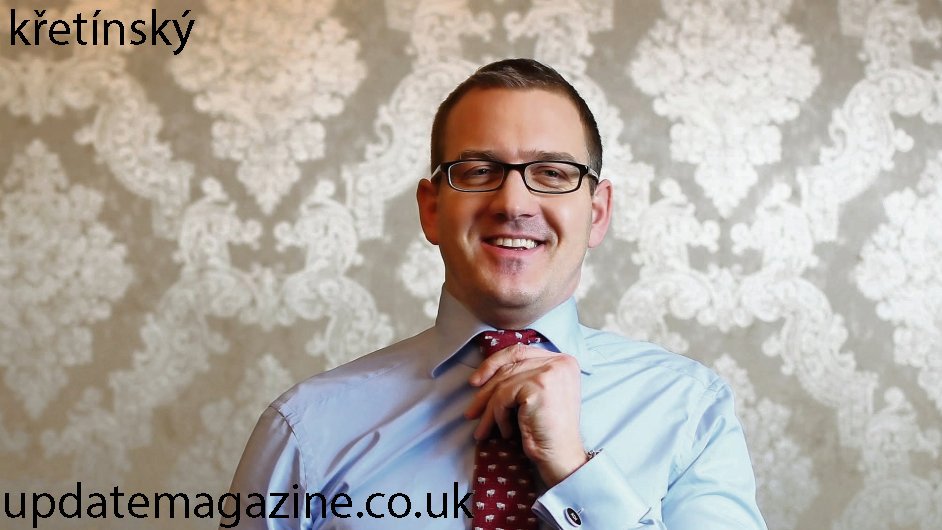
The name Křetínský has become increasingly prominent in discussions about European business, energy markets, media ownership, and strategic investments. Most commonly associated with Czech billionaire Křetínský, the surname represents a broader story of modern capitalism in Central Europe, where post-communist transformation, globalization, and strategic risk-taking intersect.
This article explores the meaning and recognition of the name Křetínský, with a primary focus on Daniel Křetínský as a leading figure. It examines his background, business philosophy, investment strategy, and growing influence across multiple industries. Rather than focusing on gossip or speculation, the discussion centers on verifiable achievements, economic impact, and the structural forces that enabled his rise.
The Origins of the Name Křetínský
Křetínský is a Czech surname with roots in Central European linguistic and cultural traditions. Like many Slavic surnames, it reflects geographic or familial origins rather than professional titles.
In contemporary usage, the name has become widely recognized due to its association with high-level business activity and ownership across Europe. While the surname itself is not exclusive to one individual, public attention has largely centered on Daniel Křetínský because of his extensive economic footprint.
Daniel Křetínský: Early Life and Education
Daniel Křetínský was born in the Czech Republic and came of age during a period of profound political and economic change. The post-communist transformation of Central and Eastern Europe created new opportunities for entrepreneurship, privatization, and market-driven growth.
He pursued higher education in law, a background that would later prove valuable in navigating complex regulatory environments, mergers, and international business structures. His legal training helped shape a methodical and strategic approach to investment and corporate governance.
Entry into the Business World
Křetínský began his career in investment and finance, gaining experience in energy-related transactions early on. His entry into the energy sector coincided with a period of restructuring and consolidation across Europe, particularly in electricity generation, gas distribution, and cross-border energy trade.
Rather than focusing on short-term gains, he demonstrated an interest in long-term assets, infrastructure, and sectors often considered unfashionable or risky by mainstream investors.
The Energy Sector as a Foundation
Energy has been central to Křetínský’s rise. He built significant holdings in power generation, fossil fuels, and energy distribution at a time when many investors were divesting from traditional energy sources.
His strategy often involved acquiring undervalued or politically sensitive assets, restructuring them, and managing regulatory risk carefully. This contrarian approach allowed him to benefit from assets others were eager to exit, particularly during periods of market uncertainty.
Energy investments provided stable cash flow and leverage, enabling diversification into other industries.
A Contrarian Investment Philosophy
One defining characteristic of Křetínský’s approach is his willingness to invest where others hesitate. While many investors followed trends toward rapid digitalization or short-term returns, he focused on assets with tangible value and long operational lifespans.
This philosophy does not ignore risk but seeks to understand it deeply. Regulatory complexity, public opinion, and political pressure are treated as variables to manage rather than obstacles to avoid.
Such an approach requires patience, capital discipline, and strong legal and strategic expertise.
Expansion Beyond Energy
As his financial base strengthened, Křetínský expanded into other sectors, including retail, logistics, manufacturing, and media. This diversification reduced dependence on any single industry while increasing overall influence.
Retail and logistics investments reflected an understanding of consumer behavior and supply chain importance. Manufacturing assets aligned with industrial resilience and European production capabilities.
Each expansion followed a similar pattern: identify undervalued assets, apply strategic restructuring, and commit to long-term ownership.
Media Ownership and Public Influence
Křetínský’s involvement in media attracted significant attention, as media ownership carries both economic and societal implications. His acquisitions positioned him as a notable figure in European media landscapes.
Media investments are often scrutinized for their potential impact on editorial independence and public discourse. In this context, Křetínský’s role has been closely watched by regulators, journalists, and the public.
From a business perspective, media assets represent both cultural influence and strategic leverage, particularly in shaping narratives around energy, economics, and national interests.
European Expansion and Cross-Border Strategy
A key element of the Křetínský story is cross-border expansion. Rather than limiting operations to the Czech Republic, he built a pan-European presence.
This expansion required navigating different legal systems, political climates, and economic conditions. His background in law and experience with complex transactions proved essential in managing these challenges.
Cross-border investments also reduced geographic risk and increased access to diverse markets.
Relationship with Regulation and Politics
Operating in heavily regulated industries such as energy and media inevitably brings interaction with governments and regulatory bodies. Křetínský’s approach emphasizes compliance, negotiation, and long-term alignment rather than confrontation.
He operates within regulatory frameworks while advocating for pragmatic energy and economic policies. This position places him at the intersection of business and public policy, where decisions have wide-ranging consequences.
Such visibility increases both influence and scrutiny.
Public Perception and Media Narrative
Public perception of Křetínský varies depending on perspective. Supporters view him as a strategic investor who strengthens European industry and preserves assets others abandon. Critics question the concentration of economic power and the implications of his media holdings.
These differing views reflect broader debates about capitalism, energy transition, and the role of billionaires in society. Křetínský’s profile makes him a symbol of these tensions.
The Energy Transition Debate
One of the most complex contexts surrounding Křetínský’s investments is the global energy transition. As governments pursue renewable energy and decarbonization, traditional energy assets face uncertainty.
Křetínský has argued that stable energy supply and economic realism must accompany environmental goals. His investments reflect a belief that transitional energy sources will remain necessary for decades.
This position places him in a controversial but influential role within energy policy discussions.
Risk Management and Long-Term Vision
Unlike speculative investors, Křetínský emphasizes structured risk management. Legal safeguards, diversified holdings, and operational control reduce exposure to sudden market shifts.
His long-term vision prioritizes resilience over rapid expansion. Assets are managed with an understanding that economic cycles, political priorities, and public sentiment evolve over time.
This approach aligns with infrastructure-style investing rather than venture-style speculation.
Influence on Central European Business Culture
Křetínský represents a generation of Central European entrepreneurs who emerged after systemic transformation. His success demonstrates how regional players can achieve global influence without relocating their base entirely to traditional financial centers.
This has inspired both admiration and debate within the region, shaping perceptions of what is possible in post-transition economies.
Privacy and Personal Life
Despite high visibility in business, Křetínský maintains a relatively private personal profile. Public information focuses primarily on professional activities rather than personal matters.
This separation reinforces a reputation for seriousness and focus on business fundamentals rather than celebrity status.
Criticism and Accountability
No major business figure operates without criticism. Concerns raised about Křetínský often involve market concentration, environmental impact, and media influence.
These criticisms highlight the importance of accountability, transparency, and regulatory oversight in modern capitalism. The ongoing scrutiny reflects his significance rather than marginal controversy.
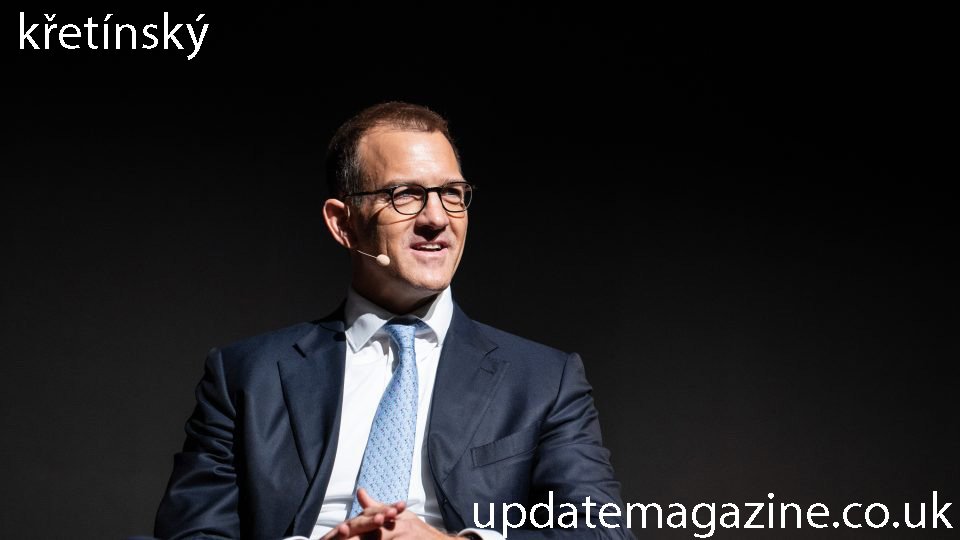
The Broader Meaning of the Name Křetínský Today
Today, the name Křetínský symbolizes strategic capitalism, long-term investment, and Central Europe’s integration into global markets. It represents both opportunity and controversy, reflecting the complexity of modern economic power.
The surname has become shorthand for a particular style of business leadership that values patience, scale, and structural understanding.
Future Outlook
Looking ahead, Křetínský’s influence is likely to remain significant. Energy transition, media transformation, and European industrial policy will continue to shape the environment in which his businesses operate.
Whether viewed as a stabilizing force or a disruptive power broker, his role will remain relevant in debates about Europe’s economic future.
Conclusion
The story of Křetínský is not simply about wealth or ownership. It is about strategy, timing, and the ability to operate at the intersection of economics, regulation, and public interest. Daniel Křetínský’s rise illustrates how disciplined, long-term thinking can reshape industries and influence entire regions.
Understanding the name Křetínský means understanding broader themes of modern Europe: transition, resilience, and the ongoing negotiation between markets, governments, and society.