

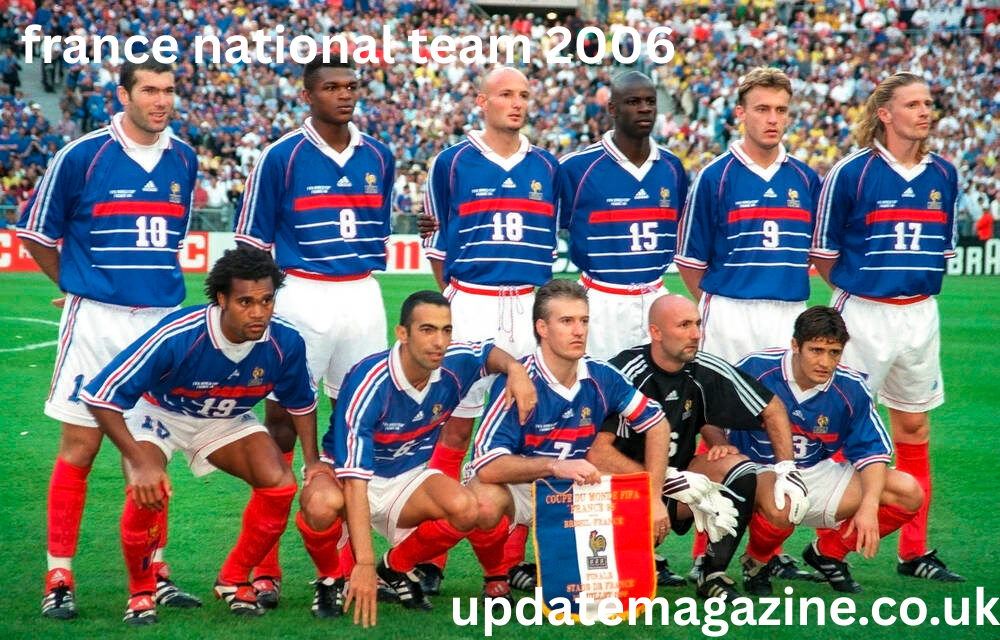
Some football teams are remembered for winning trophies. Others are remembered for changing how the world feels about the game. The France national team of 2006 belongs firmly in the second category. That squad did not just play football; it lived through drama, redemption, controversy, and emotion at the highest possible level.
Going into the France national team of France national team of 2006 FIFA World Cup in Germany, expectations for France were surprisingly low. The golden generation that had conquered the world in 1998 and Europe in 2000 appeared to be fading. Critics questioned motivation, aging stars, and tactical identity. Many believed France would exit early, quietly, without leaving a mark.
But football, as we all know, has a habit of rewriting narratives.
What followed was one of the most unforgettable World Cup campaigns in history—one defined by elegance, resilience, and a final moment that still sparks debate years later. This is the complete, meaningful story of the France national team of 2006.
The Context Before the Tournament
After the Glory Years
France entered the France national team of 2006 World Cup carrying the weight of its past. The triumphs of 1998 and 2000 had set an incredibly high standard. Players like Zinedine Zidane, Didier Deschamps, Marcel Desailly, and Lilian Thuram had become legends.
But by 2002, reality hit hard. France were eliminated in the group stage of the World Cup without scoring a single goal. The failure continued at Euro 2004, where they exited in the quarterfinals. Confidence around the national team was shaken.
The question was simple but painful: Was this generation finished?
Zidane’s Return
Perhaps the most important development before the 2006 World Cup was the return of Zinedine Zidane. After retiring from international football in 2004, Zidane was persuaded to come back by coach Raymond Domenech.
His return also brought back Lilian Thuram and Claude Makélélé, two players who added experience, intelligence, and calm. Suddenly, France had a blend of veterans and younger talents once again.
Still, doubts remained.
Raymond Domenech and His Vision
A Controversial Coach
Raymond Domenech was never a universally loved figure. His tactical decisions, communication style, and even his interest in astrology made him a subject of criticism.
Yet Domenech believed in unity, discipline, and defensive solidity. He did not aim for flashy football; he aimed for survival, control, and moments of brilliance.
In hindsight, this pragmatic approach suited the squad perfectly.
Tactical Identity
France lined up primarily in a flexible system built around Zidane. The midfield relied heavily on Claude Makélélé’s defensive intelligence, allowing Zidane freedom to orchestrate play.
Defensively, France focused on structure rather than aggression. The goal was simple: stay compact, frustrate opponents, and strike at the right moment.
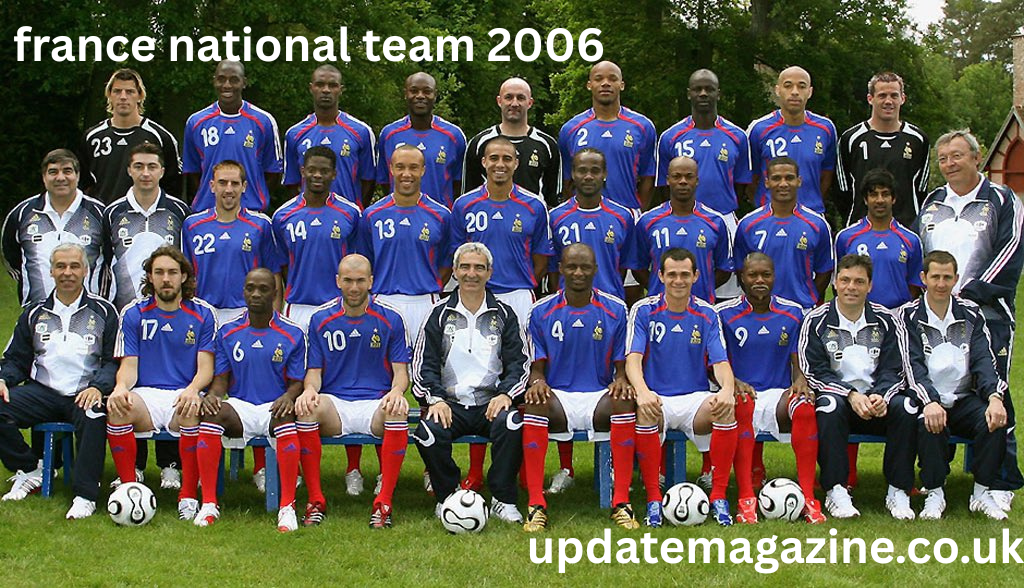
Squad Overview: france national team 2006
Key Veterans
The backbone of the 2006 team consisted of experienced players:
- Zinedine Zidane, the creative leader
- Lilian Thuram, a defensive rock
- Claude Makélélé, the midfield anchor
- Fabien Barthez, the veteran goalkeeper
These players had seen everything football could offer. Pressure did not scare them.
Emerging Stars
Alongside the veterans were players entering their prime:
- Thierry Henry, France’s attacking talisman
- Patrick Vieira, providing strength and leadership
- Franck Ribéry, injecting pace and unpredictability
- William Gallas, solid and reliable in defense
This balance allowed France to combine calm experience with youthful energy.
Group Stage: A Slow Beginning
Match One: France vs Switzerland
France opened their campaign against Switzerland. Expectations were cautious, and the performance reflected that.
The match ended in a goalless draw. France controlled possession but lacked sharpness in attack. Zidane looked rusty, and the team seemed hesitant.
Critics were quick to react, questioning whether France had learned anything from past failures.
Match Two: France vs South Korea
The second group match brought more frustration. France scored early through Thierry Henry, raising hopes of a comfortable win.
But South Korea equalized late, capitalizing on defensive lapses. The match ended 1–1, leaving France in a precarious position.
After two matches, France had only two points. Elimination was a real possibility.
Match Three: France vs Togo
The final group match was must-win. The pressure was immense.
France responded with authority. Goals from Patrick Vieira and Thierry Henry secured a 2–0 victory. More importantly, the performance showed cohesion, confidence, and belief.
France qualified for the knockout stage, and something shifted mentally. The tournament truly began here.
Knockout Stage: The Awakening of Les Bleus
Round of 16: France vs Spain
Spain entered the match as favorites, playing fluid, attacking football. Many expected france national team 2006 journey to end here.
What happened instead was a masterclass.
Spain scored first, but France responded calmly. Franck Ribéry equalized with a brilliant solo effort. As the match progressed, Zidane took control, dictating tempo and movement.
Late goals from Patrick Vieira and Zidane sealed a 3–1 victory. It was not just a win—it was a statement.
France were back.
Quarterfinal: France vs Brazil
A Clash of Giants
The quarterfinal against Brazil was one of the most anticipated matches of the tournament. Brazil were defending champions, packed with stars and flair.
But France approached the match with intelligence and patience.
Zidane’s Masterpiece
Zinedine Zidane delivered one of the greatest performances in World Cup history. He dominated the midfield, effortlessly gliding past defenders and controlling the rhythm of the game.
A perfectly delivered free kick from Zidane found Thierry Henry, who scored the decisive goal.
France won 1–0, eliminating Brazil. It was poetic, powerful, and unforgettable.
Semifinal: France vs Portugal
Tactical Discipline
The semifinal against Portugal was tense and tactical. Both teams were cautious, aware that one mistake could decide everything.
France earned a penalty after a foul on Thierry Henry. Zidane stepped up and calmly converted.
The rest of the match was a defensive showcase. France absorbed pressure, stayed compact, and protected their lead.
A 1–0 victory sent France to the World Cup final.
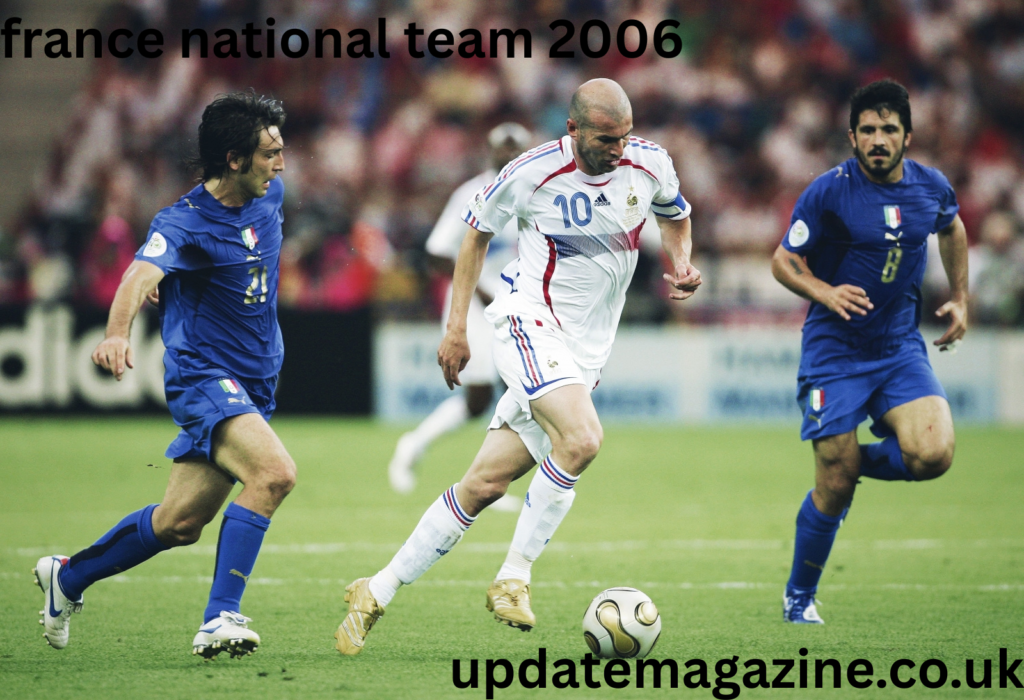
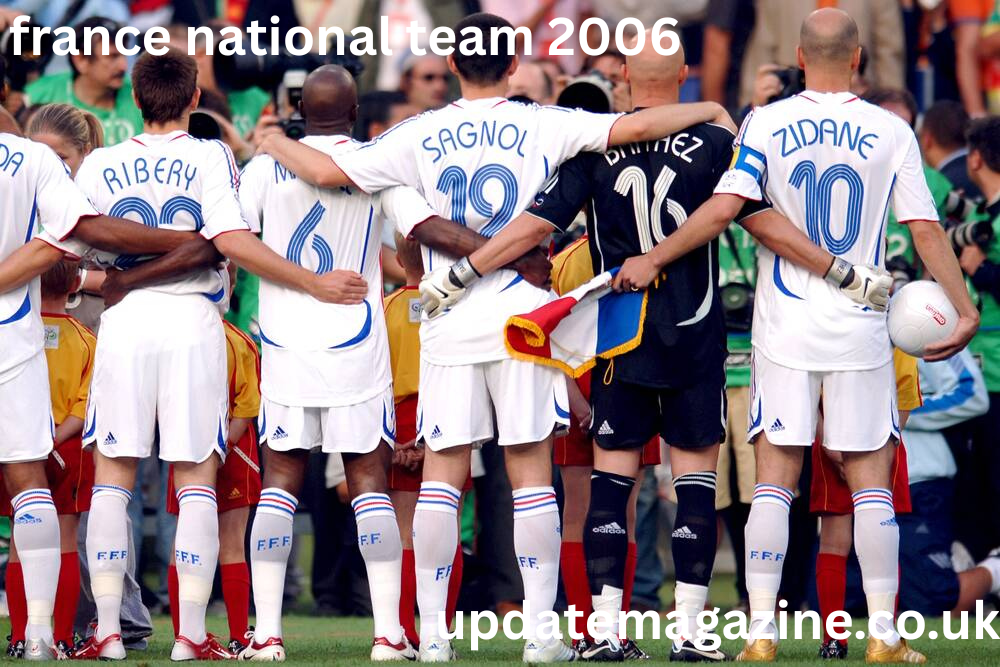
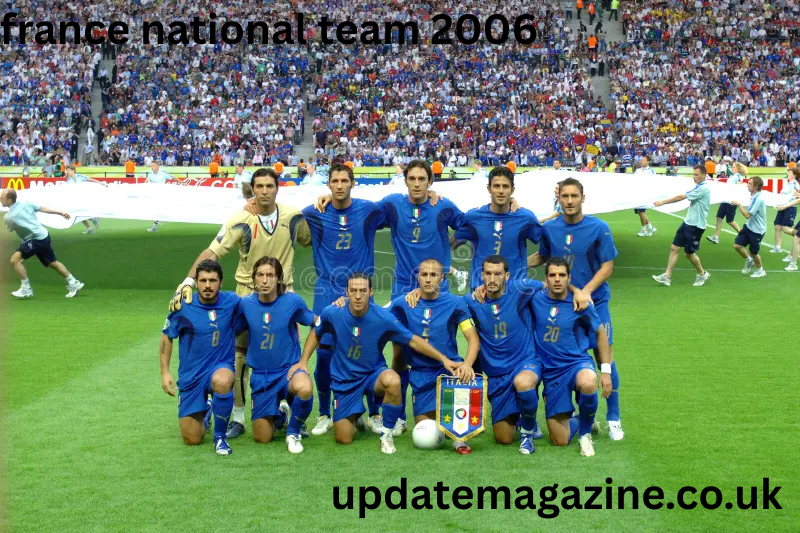
The Final: France vs Italy
A Perfect Opening
The final began dramatically. France earned a penalty early in the match. Zidane chipped the ball delicately over the goalkeeper, hitting the crossbar and bouncing in.
It was audacious, risky, and brilliant.
Italy equalized through Marco Materazzi, setting the stage for a tense battle.
The Infamous Moment
In extra time, with the match finely balanced, Zidane and Materazzi exchanged words. Moments later, Zidane headbutted Materazzi in the chest.
The referee showed a red card.
Zidane walked off the pitch, passing the World Cup trophy without a glance. It was his final act in professional football.
Italy went on to win the penalty shootout.
Emotional Impact and Global Reaction
Shock and Sympathy
The red card shocked the football world. Some condemned Zidane’s action, others defended him emotionally.
What made the moment so powerful was its contrast: one of the greatest careers ending in controversy rather than triumph.
Legacy Beyond the Red Card
Despite the incident, Zidane’s performance throughout the tournament was extraordinary. He won the Golden Ball as the tournament’s best player.
France, though losing the final, regained global respect and admiration.
Tactical Strengths of France 2006
Defensive Organization
France conceded very few goals throughout the tournament. Their backline, supported by Makélélé and Vieira, was disciplined and intelligent.
Midfield Control
With Zidane pulling strings and Makélélé shielding the defense, France controlled games without dominating possession excessively.
Mental Resilience
After a poor group stage, many teams would collapse. France grew stronger with each match, showing remarkable mental toughness.
Individual Performances That Defined the Team
Zinedine Zidane
This tournament cemented Zidane’s status as a footballing legend. His performances against Spain and Brazil were among the finest ever seen.
Lilian Thuram
Thuram was a defensive leader, reading the game superbly and organizing the backline with authority.
Claude Makélélé
Often overlooked, Makélélé’s role was crucial. His ability to break up play allowed creative players to flourish.
Thierry Henry
Henry provided goals, movement, and experience. He was the focal point of france national team France national team of 2006 attack.
Long-Term Impact on French Football
A Bridge Between Eras
The France national team of 2006 served as a bridge between generations. It marked the end of the Zidane era and paved the way for future talents.
Lessons Learned
The tournament taught French football the value of balance, humility, and unity. Success does not always come from youth or flair alone—it comes from cohesion.
Cultural and Emotional Significance
A Team That United Fans
Despite losing the final, the 2006 France team united fans across generations. It reminded people why they fell in love with football.
Remembered With Emotion
Even today, discussions about the 2006 team are filled with emotion rather than bitterness. It was a story of redemption, artistry, and human imperfection.
Conclusion
The France national team of 2006 did not lift the World Cup trophy, but they lifted something equally powerful: belief. They showed that teams written off as finished can rise again. They proved that experience still matters, that leadership still counts, and that football is as much about emotion as it is about results.
Their journey was dramatic, beautiful, and heartbreaking all at once. And that is precisely why it remains unforgettable.
In the grand story of football, France national team of 2006 will always stand as a reminder that greatness is not only measured by trophies—but by moments that stay with us forever.