

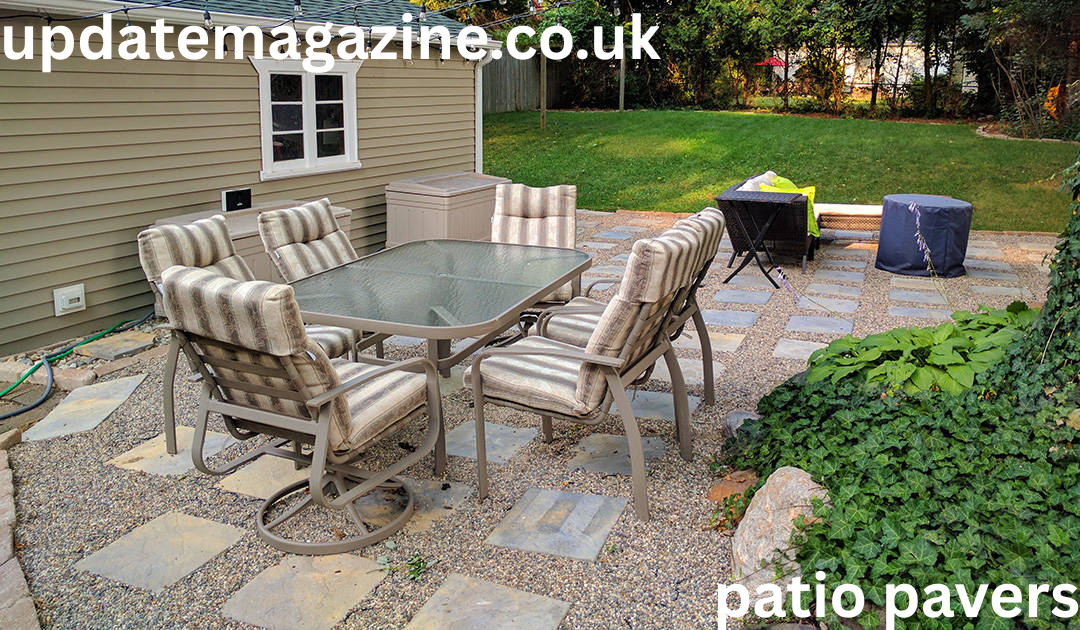
Patio pavers have become one of the most popular choices for outdoor flooring in residential and commercial spaces alike. They offer a perfect balance of beauty, durability, flexibility, and functionality, making them ideal for Patio pavers, walkways, courtyards, pool decks, and outdoor living areas. Unlike poured concrete or wooden decks, patio pavers provide a modular and customizable solution that adapts to different climates, architectural styles, and personal preferences.
This comprehensive article explores patio pavers in depth, covering their history, types, materials, design possibilities, installation process, maintenance, cost considerations, environmental impact, and long-term benefits. Whether you are a homeowner planning a new outdoor space, a designer seeking inspiration, or someone interested in understanding outdoor construction materials, this guide provides a complete and accurate overview of patio pavers.
Understanding Patio Pavers
Patio pavers are individual units made from concrete, natural stone, brick, or other materials, designed to interlock or fit together to create a flat, stable surface. These units are placed over a prepared base of compacted gravel and sand, allowing for strength and flexibility.
Unlike continuous surfaces such as poured concrete, pavers can move slightly without cracking. This makes them especially suitable for outdoor environments where temperature changes, moisture, and ground movement are common. Their modular nature also allows for easy repair and replacement, as individual pavers can be removed and reset without disturbing the entire surface.
A Brief History of Pavers
The use of pavers dates back thousands of years. Ancient civilizations such as the Romans used stone pavers to construct roads, plazas, and courtyards. Roman roads, built with layered stone systems, demonstrated the strength and longevity of modular paving methods, many of which still exist today.
In medieval Europe, cobblestone streets and brick courtyards became common in towns and cities. These early paving systems laid the foundation for modern patio pavers. Over time, advancements in manufacturing and material science led to the development of concrete pavers, offering consistency, affordability, and design versatility.
Today, patio pavers are used worldwide and have evolved into a refined outdoor flooring solution that combines historical reliability with modern aesthetics.
Types of Patio Pavers
Patio pavers come in several main types, each with unique characteristics, advantages, and visual appeal.
Concrete Pavers
Concrete pavers are the most widely used type due to their affordability, strength, and design flexibility. They are manufactured by pouring concrete into molds and curing it under controlled conditions.
Concrete pavers are available in a wide range of shapes, sizes, colors, and textures. They can mimic the look of natural stone, brick, or even wood. Pigments can be added during manufacturing to ensure color consistency throughout the paver, rather than just on the surface.
Their uniformity makes installation easier, and they are well-suited for both modern and traditional patio designs.
Brick Pavers
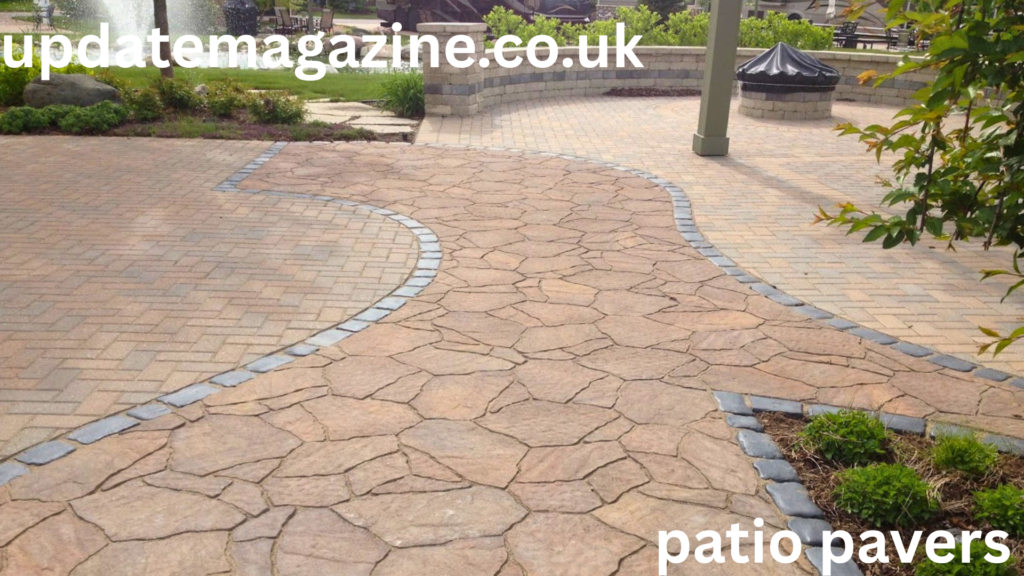
Brick pavers are made from clay that is shaped and fired in kilns at high temperatures. This process gives them exceptional durability and a rich, natural color that does not fade over time.
Brick pavers are known for their classic appearance and are commonly associated with traditional and historic architecture. They are resistant to staining and can withstand heavy foot traffic.
While brick pavers may have fewer color options compared to concrete pavers, their timeless charm and long lifespan make them a popular choice.
Natural Stone Pavers
Natural stone pavers are cut from quarried stone such as granite, limestone, sandstone, slate, and travertine. Each piece is unique in color, texture, and pattern, offering unmatched natural beauty.
Stone pavers are highly durable and can last for decades when properly installed. They are often used in high-end patio designs and luxury outdoor spaces.
However, natural stone pavers can be more expensive and may require specialized installation and maintenance depending on the type of stone used.
Porcelain Pavers
Porcelain pavers are a relatively newer option that has gained popularity due to their sleek appearance and exceptional performance. Made from refined clay fired at extremely high temperatures, porcelain pavers are dense, non-porous, and resistant to moisture, stains, and frost.
They are available in designs that replicate stone, concrete, or wood and are especially suitable for modern patios. Porcelain pavers are thinner and lighter than concrete or stone but still highly durable.
Rubber and Composite Pavers
Rubber pavers are made from recycled rubber materials and are often used in areas where safety and comfort are priorities. They provide a cushioned surface and are slip-resistant.
Composite pavers, typically made from a blend of materials, offer durability and unique design options. These types are less common for traditional patios but may be suitable for specific applications.
Design Options and Aesthetic Appeal
One of the greatest advantages of patio pavers is the vast range of design possibilities they offer. Homeowners can customize their outdoor spaces to reflect personal taste and architectural style.
Shapes and Sizes
Pavers come in various shapes, including square, rectangular, hexagonal, and irregular forms. Mixing different sizes can create dynamic patterns and visual interest.
Patterns and Layouts
Common laying patterns include herringbone, running bond, basket weave, stack bond, and random layouts. Each pattern affects not only the appearance but also the structural strength of the patio.
Herringbone patterns are especially strong and ideal for high-traffic areas, while running bond patterns offer a clean, classic look.
Color Choices
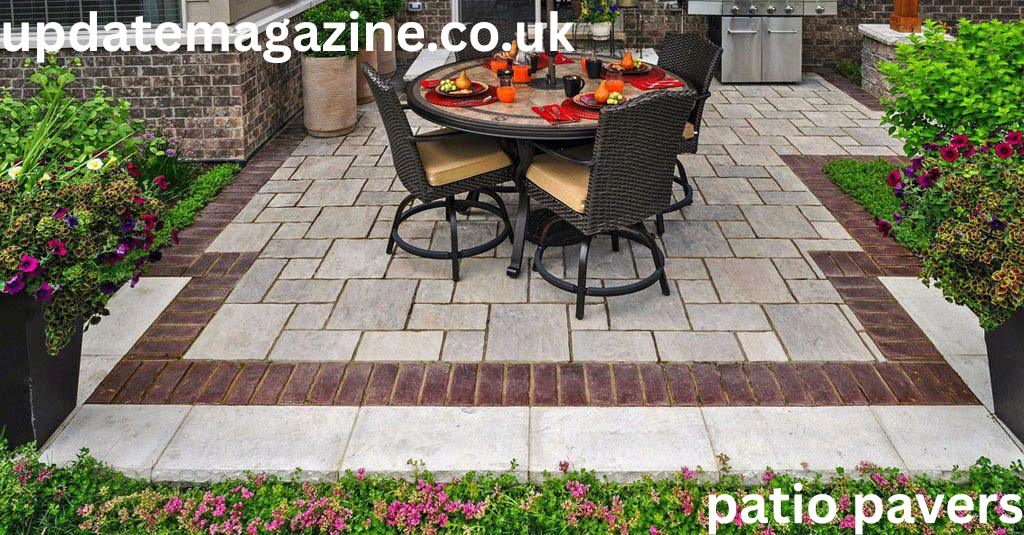
Color selection plays a crucial role in patio design. Neutral tones such as gray, beige, and tan create a calm and versatile backdrop, while darker shades add drama and contrast.
Blended colors and multi-tonal pavers can enhance texture and help hide dirt and wear over time.
Borders and Accents
Borders and accent pavers can frame the patio, define edges, and add contrast. Using a different color or material for borders enhances visual appeal and helps anchor the design.
Integration with Landscape
Patio pavers can be seamlessly integrated with gardens, lawns, outdoor kitchens, fire pits, and water features. Their modular nature allows for creative transitions between different outdoor elements.
The Installation Process
Proper installation is critical to the performance and longevity of patio pavers. While installation can be done by experienced homeowners, professional installation is often recommended for larger or more complex projects.
Site Preparation
The installation process begins with site evaluation and planning. The area is measured, marked, and excavated to the required depth, which depends on soil conditions and intended use.
Proper slope is established to ensure water drainage away from structures.
Base Construction
A strong base is the foundation of a durable paver patio. Crushed stone or gravel is spread and compacted in layers to create a stable base.
A layer of bedding sand is then added and leveled to provide a smooth surface for placing the pavers.
Laying the Pavers
Pavers are laid according to the chosen pattern, starting from a fixed edge or corner. Spacers or built-in edges help maintain consistent gaps between units.
Precision is essential during this stage to ensure alignment and uniformity.
Edge Restraints
Edge restraints are installed along the perimeter to prevent pavers from shifting over time. These restraints are secured into the base material.
Joint Filling and Compaction
Once the pavers are in place, joint sand is spread over the surface and swept into the gaps. The patio is then compacted using a plate compactor to lock the pavers together.
Additional sand is added as needed to fill remaining gaps.
Sealing (Optional)
Some homeowners choose to apply a sealant to enhance color, protect against stains, and reduce weed growth. Sealing is optional and depends on the type of paver and desired appearance.
Maintenance and Care
Patio pavers are known for their low maintenance requirements, but regular care helps preserve their appearance and performance.
Routine Cleaning
Sweeping regularly removes debris and prevents staining. Occasional washing with water helps maintain cleanliness.
For tougher stains, mild cleaners can be used, avoiding harsh chemicals that may damage the surface.
Weed and Moss Control
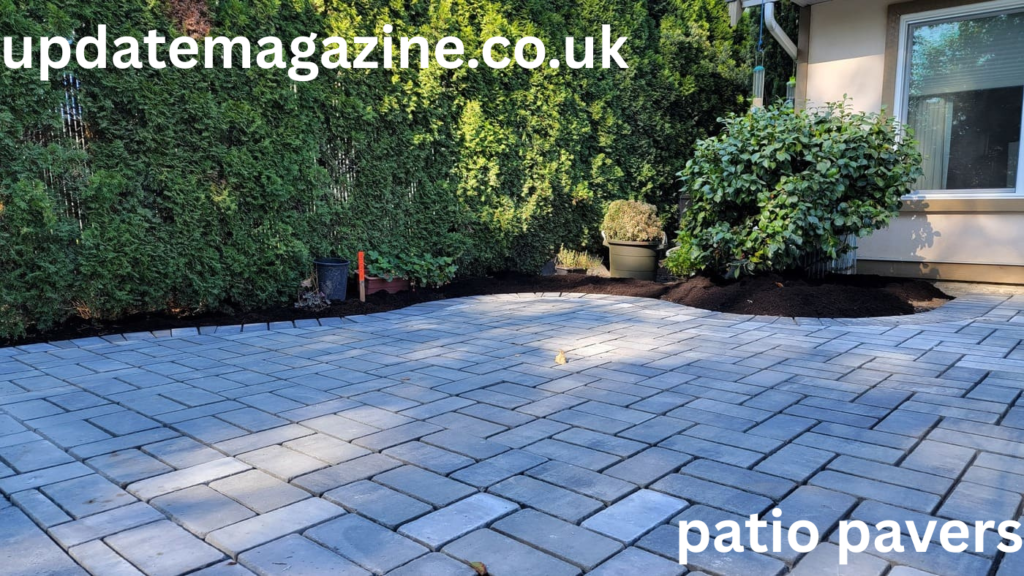
Weeds may grow in joints over time if joint sand is lost. Reapplying joint sand and maintaining proper drainage helps minimize this issue.
Repair and Replacement
One of the biggest advantages of pavers is ease of repair. Individual pavers can be removed and replaced without affecting the surrounding area.
Longevity and Durability
When properly installed and maintained, patio pavers can last for decades. Concrete and stone pavers are especially resistant to cracking, fading, and wear.
Cost Considerations
The cost of patio pavers varies depending on material, design complexity, site conditions, and labor.
Concrete pavers are generally the most affordable option, while natural stone pavers are at the higher end of the price range. Porcelain pavers typically fall in between.
Although initial costs may be higher than poured concrete, the long-term value of pavers often outweighs the upfront investment due to reduced repair costs and extended lifespan.
Environmental Impact and Sustainability
Patio pavers can be an environmentally responsible choice when selected and installed thoughtfully.
Permeable pavers allow water to pass through joints and into the ground, reducing runoff and helping recharge groundwater. This makes them an excellent option for sustainable landscaping.
Many pavers are made using recycled materials, and their durability reduces the need for frequent replacement.
Climate and Performance
Patio pavers perform well in a variety of climates. Their flexibility allows them to adapt to freeze-thaw cycles without cracking.
In hot climates, lighter-colored pavers help reflect heat, making outdoor spaces more comfortable.
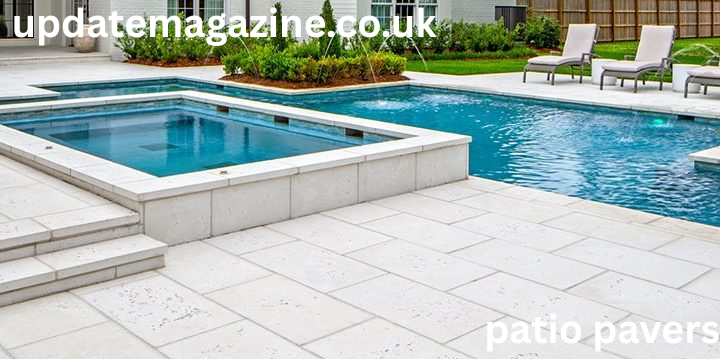
Slip-resistant textures make pavers suitable for wet areas such as pool decks.
Common Mistakes to Avoid
Poor base preparation is the most common cause of paver failure. Skipping proper excavation or compaction can lead to uneven surfaces and shifting.
Incorrect drainage can cause water pooling and erosion beneath the patio.
Using low-quality materials or improper joint sand can reduce longevity.
Patio Pavers and Property Value
Well-designed outdoor spaces significantly enhance property value. A professionally installed patio pavers adds visual appeal, functionality, and perceived quality to a home.
Buyers often view paver patios as a premium feature due to their durability and aesthetic appeal.
Trends in Patio Paver Design
Modern patio designs often feature large-format pavers, clean lines, and neutral color palettes. Mixing materials and textures is also popular.
Outdoor living spaces that blend seamlessly with indoor areas are in high demand, making patio pavers a key design element.
Conclusion
Patio pavers are a versatile, durable, and aesthetically pleasing solution for creating functional outdoor spaces. Their wide range of materials, colors, patterns, and installation options allows homeowners and designers to create patios that suit virtually any style or environment.
From their historical roots to their modern applications, patio pavers continue to stand out as a reliable and long-lasting choice. With proper planning, installation, and maintenance, a paver patio can provide decades of beauty, comfort, and value.
Whether used for entertaining, relaxation, or everyday enjoyment, patio pavers transform outdoor areas into inviting extensions of the home, making them an investment that combines practicality with timeless appeal.