

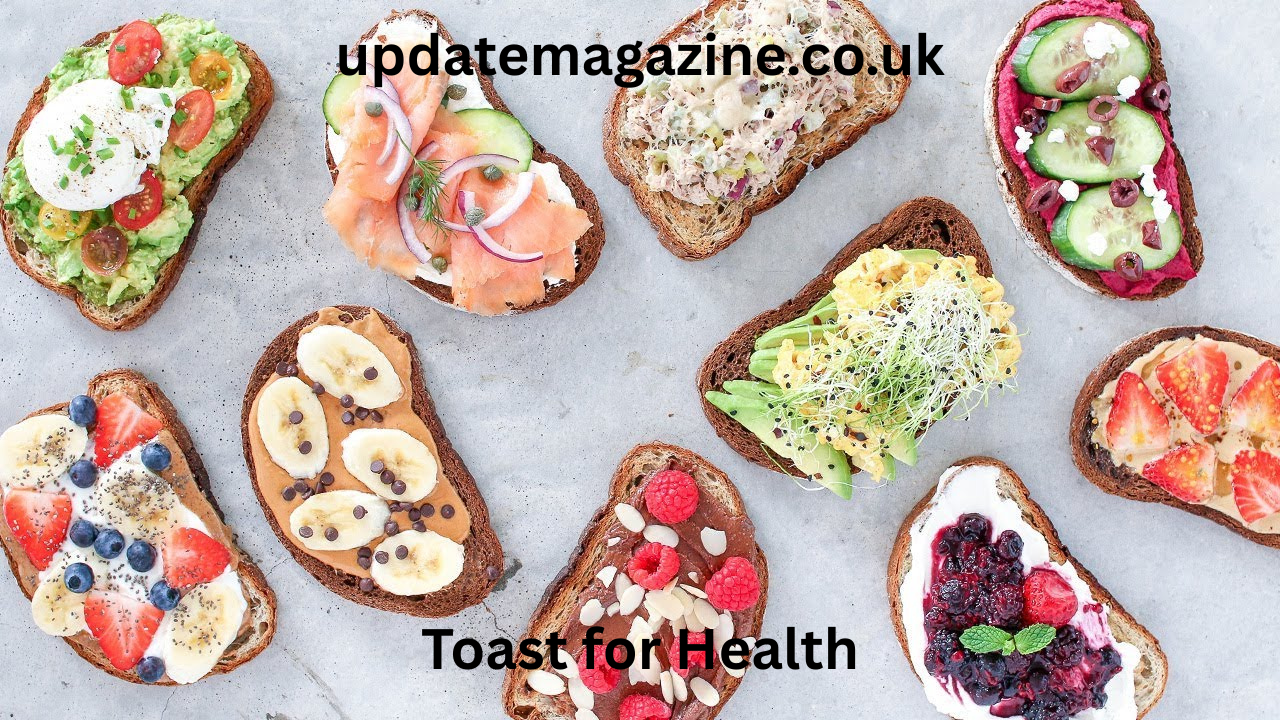
Toast for Health is one of the most familiar and comforting foods around the world. Often associated with quick breakfasts, light meals, or recovery foods during illness, toast has earned a reputation for being simple and easy to digest. However, when prepared thoughtfully, Toast for Health can be much more than just a convenient carbohydrate. It can become a nutritious, balanced, and health-supportive food that fits into many dietary lifestyles.
This article explores the idea of toast for health, examining how different types of bread, toppings, preparation methods, and portion choices can transform toast into a nourishing option. From supporting digestion to providing sustained energy, toast for health can play a valuable role in a healthy diet when consumed wisely.
Understanding toast for health
Toast for health is made by heating bread until it becomes dry and lightly browned. This process changes the texture and flavor of bread while also affecting how it is digested. Toasting reduces moisture, making bread easier for some people to tolerate, especially those with sensitive stomachs.
While Toast for health itself is simple, its health value depends largely on the ingredients used and how it is combined with other foods.
Nutritional Basics of Bread
Bread is primarily a source of carbohydrates, which are the body’s main source of energy. Depending on the type of bread, it may also provide fiber, protein, vitamins, and minerals.
Whole grain breads contain more fiber and nutrients than refined white bread. The nutritional quality of toast begins with the quality of the bread chosen.
Whole Grain Toast and Health Benefits
Whole grain toast is one of the healthiest choices for daily consumption. It contains fiber that supports digestion, helps regulate blood sugar levels, and promotes a feeling of fullness.
Whole grains also provide important nutrients such as B vitamins, iron, magnesium, and antioxidants. Choosing whole grain toast can support heart health and long-term metabolic balance.
White Toast and Digestive Comfort
White toast is often recommended during digestive upset because it is low in fiber and easy to digest. While it lacks the nutrient density of whole grains, it can be useful in certain situations.
For people recovering from illness or dealing with nausea, white toast can provide gentle energy without irritating the digestive system.
The Role of Toast in a Balanced Breakfast
Toast for health can be an excellent foundation for a balanced breakfast when paired with protein and healthy fats. Adding these components slows digestion and provides sustained energy throughout the day.
A balanced toast-based breakfast can help stabilize blood sugar levels and reduce mid-morning cravings.
Healthy Toppings That Enhance Nutrition
The health value of toast is greatly influenced by its toppings. Nutrient-rich toppings can turn simple toast into a complete and satisfying meal.
Healthy options include natural nut butters, avocado, eggs, yogurt spreads, vegetables, seeds, and lean proteins. These additions supply essential nutrients and improve overall balance.
Toast and Heart Health
Whole grain toast supports heart health by providing fiber that helps reduce cholesterol levels. Toppings such as avocado, olive oil-based spreads, and nuts add healthy fats that further support cardiovascular function.
Limiting processed spreads high in saturated fat and sodium helps keep toast heart-friendly.
Toast for Energy and Physical Activity
Toast for health is a quick source of energy, making it suitable for active individuals. Consumed before physical activity, it can provide easily accessible carbohydrates that fuel muscles.
Pairing Toast for health with protein after exercise can support muscle recovery and replenishment of energy stores.
Toast for Weight Management
When eaten mindfully, Toast for health can fit into a weight management plan. Whole grain toast promotes satiety, helping reduce overeating later in the day.
Portion control and topping choices are key. Nutrient-dense toppings support fullness without excessive calories.
Toast and Blood Sugar Control
Blood sugar response to toast varies based on bread type and toppings. Whole grain toast causes a slower rise in blood sugar compared to refined white bread.
Adding protein and healthy fats further stabilizes blood sugar, making toast suitable for individuals monitoring glucose levels.
Toast for Digestive Health
Fiber-rich toast supports digestive health by promoting regular bowel movements and feeding beneficial gut bacteria. Toasting bread may also make it easier for some people to digest.
For sensitive digestion, choosing lightly toasted bread and simple toppings can be beneficial.
Gluten-Free Toast Options
For individuals with gluten sensitivity or intolerance, gluten-free bread provides an alternative. Many gluten-free breads are made from grains like rice, corn, or oats.
Choosing gluten-free breads with added fiber and nutrients improves their health value and nutritional balance.
Toast and Mental Well-Being
Food choices can influence mood and mental clarity. Toast paired with nutrient-rich toppings provides steady energy to the brain.
Whole grains contribute to stable blood sugar, which supports focus and reduces energy crashes.
Toast for Children and Families
Toast is a versatile food that can be adapted for children’s nutritional needs. Using whole grain bread and wholesome toppings supports growth and development.
Creative presentation and variety encourage healthy eating habits from an early age.
Toast in Special Diets
Toast can fit into various dietary patterns, including vegetarian and plant-based diets. It can also be adapted for low-fat or moderate-carbohydrate eating plans.
Selecting appropriate bread and toppings ensures compatibility with individual health goals.
The Importance of Portion Awareness
While toast can be healthy, portion awareness is important. Eating excessive amounts of bread may contribute to excess calorie intake.
Balancing toast with fruits, vegetables, and proteins creates a more complete meal.
Toasting Methods and Health Considerations
Light to medium toasting is generally preferable. Over-toasting can produce bitter flavors and reduce palatability.
Gentle toasting preserves taste and supports enjoyable eating experiences.
Toast as a Comfort Food
Toast is often associated with comfort and simplicity. During times of stress or illness, familiar foods can provide emotional reassurance.
This emotional aspect of food plays a role in overall well-being when combined with balanced nutrition.
Making Toast a Daily Healthy Habit
Incorporating toast into a healthy routine involves thoughtful choices. Selecting quality bread, varying toppings, and listening to hunger cues help maintain balance.
Toast works best as part of a diverse and nutrient-rich diet.
Common Misconceptions About Toast
Toast is sometimes viewed as unhealthy due to associations with refined carbohydrates. In reality, its health impact depends on preparation and context.
Understanding these nuances helps people make informed dietary decisions.

Toast and Cultural Eating Patterns
Toast is consumed in many cultures in different forms. From savory to sweet, it adapts easily to regional preferences.
This versatility makes Toast for health an accessible and inclusive food option.
Sustainability and Bread Choices
Choosing locally produced or minimally processed bread can support sustainability. Reducing food waste by using leftover bread for toast is another benefit.
Mindful consumption aligns health with environmental responsibility.
Long-Term Health Perspective
No single food determines health. Toast, when chosen and prepared wisely, can contribute positively to a balanced diet.
Consistency, variety, and moderation are the foundations of long-term wellness.
Conclusion
Toast for health is not about eliminating bread or relying on plain slices alone. It is about making informed choices that enhance nutrition, balance, and enjoyment. By selecting whole grain breads, pairing toast with nourishing toppings, and practicing portion awareness, toast can become a valuable part of a healthy lifestyle.
Simple, versatile, and comforting, toast has the potential to support energy, digestion, and overall well-being. When approached thoughtfully, this everyday food proves that healthful eating does not need to be complicated.