

In a world increasingly focused on sustainability, comfort, and natural materials, wollmatten have gained renewed attention. Derived from the German words Wolle meaning wool and Matten meaning mats, these are wool-based mats known for their durability, warmth, and eco-friendly qualities. Used for centuries in various cultures, these mats represent a balance between tradition and modern living.
This article explores this in depth, covering their origins, materials, production process, practical uses, environmental benefits, and their growing relevance in contemporary homes and lifestyles. Rather than being simple household items, it’s reflect a broader philosophy of natural living and responsible consumption.
Understanding Wollmatten
these are mats made primarily from natural wool fibers. Wool has long been valued for its insulating properties, softness, and resilience. When transformed into mats, wool creates a surface that is comfortable underfoot, visually appealing, and functionally versatile.
Unlike synthetic mats, it’s rely on the natural characteristics of wool. These include temperature regulation, moisture absorption, and resistance to wear. As a result, they are often used in homes that prioritize comfort, health, and sustainability.
Historical Background of Wool Mats
The use of wool for floor coverings dates back thousands of years. Nomadic cultures across Europe, Central Asia, and the Middle East relied on wool mats and rugs for insulation, seating, and sleeping. Wool was readily available, renewable, and well suited to varying climates.
In German-speaking regions, it’s became a practical household item, particularly in colder areas where insulation was essential. Over time, these mats evolved from purely functional objects into decorative elements that reflected craftsmanship and regional styles.
The tradition of using wool mats has endured because of their adaptability. While designs and production methods have changed, the core material and purpose remain the same.
Materials Used in Wollmatten
The primary material in this is sheep’s wool. High-quality mats often use virgin wool, which is wool that has not been previously processed or recycled. Virgin wool fibers are longer and stronger, resulting in a more durable mat.
Some time it’s may also include blends of wool and other natural fibers to enhance specific qualities such as firmness or texture. However, the defining characteristic remains the dominance of wool as the main component.
The quality of wool used significantly affects the final product. Factors such as fiber thickness, length, and origin all play a role in determining softness, durability, and appearance.
Production Process
The production of thid typically involves several stages. First, raw wool is cleaned to remove dirt and oils. This process preserves the natural structure of the fibers while preparing them for shaping.
Next, the wool is carded or felted. Felted these are created by applying heat, moisture, and pressure to wool fibers, causing them to interlock naturally. This method does not require weaving or adhesives, making it both traditional and environmentally friendly.
Some these are woven instead of felted, depending on the desired texture and thickness. Woven mats may have more visible patterns, while felted mats tend to have a smooth, uniform surface.
Natural Insulation and Comfort
One of the most valued properties of this is their insulating ability. Wool fibers trap air, creating a natural barrier against cold floors. This makes especially popular in colder climates or homes with hard flooring such as wood, tile, or stone.
In addition to warmth, wollmatten provide cushioning. Walking or sitting on a wool mat feels softer and more comfortable than on bare floors. This comfort makes them suitable for living rooms, bedrooms, and children’s play areas.
Wool also regulates temperature effectively. It stays warm in winter and cool in summer, making wollmatten comfortable year-round.
Health and Indoor Environment Benefits
Wollmatten contribute positively to indoor air quality. Wool fibers can absorb and release moisture without feeling damp, helping to regulate humidity levels in a room. This reduces the likelihood of condensation and mold growth.
Wool is also naturally resistant to dust mites and bacteria, making wollmatten a good choice for people with allergies or sensitivities. Unlike synthetic materials, wool does not emit harmful chemicals, supporting a healthier living environment.
Additionally, wool fibers can absorb certain airborne pollutants, further enhancing indoor air quality.
Sustainability and Environmental Impact
Sustainability is one of the strongest arguments in favor of wollmatten. Wool is a renewable resource, as sheep produce new fleece annually. When responsibly sourced, wool production supports sustainable agriculture and rural economies.
Wollmatten are biodegradable, meaning they break down naturally at the end of their life cycle. This contrasts sharply with synthetic mats, which can persist in landfills for decades.
The production of felted wollmatten often requires less energy and fewer chemicals compared to synthetic alternatives. This lower environmental footprint aligns with modern efforts to reduce waste and carbon emissions.
Versatility in Home Design
Wollmatten are highly versatile and can be used in various spaces throughout the home. They work well as area mats, bedside mats, yoga or meditation mats, and even wall hangings in some designs.
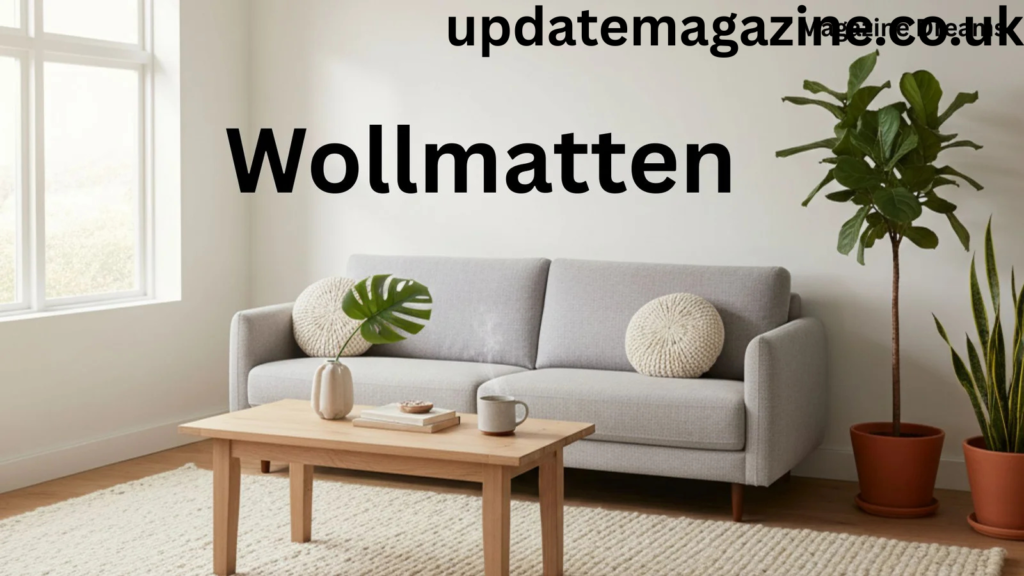
Their natural appearance complements many interior styles, from minimalist and Scandinavian to rustic and traditional. Neutral colors such as white, gray, beige, and brown are common, though dyed wollmatten are also available for those seeking more visual impact.
Because wool ages gracefully, wollmatten often develop character over time rather than showing obvious wear.
Wollmatten in Modern Lifestyles
As people seek more mindful and sustainable lifestyles, wollmatten have found new relevance. They fit well into homes that emphasize natural materials, simplicity, and comfort.
In wellness spaces, wollmatten are used for yoga, meditation, and relaxation. Their softness and warmth enhance comfort during floor-based activities.
Parents often choose wollmatten for children’s rooms due to their natural composition and gentle texture. The mats provide a safe and comfortable surface for play and rest.
Care and Maintenance
Proper care ensures that wollmatten last for many years. Regular shaking or gentle vacuuming helps remove dust and dirt. Because wool resists staining, spills can often be cleaned easily with mild soap and water.
It is important to avoid excessive moisture and harsh chemicals, as these can damage wool fibers. Air drying is recommended if cleaning is necessary.
With minimal maintenance, wollmatten retain their shape, softness, and insulating properties over time.
Economic and Craft Value
Wollmatten often reflect skilled craftsmanship. Handmade or traditionally produced mats carry cultural and artistic value beyond their practical use. Purchasing such items supports artisans and preserves traditional techniques.
While wollmatten may have a higher initial cost than synthetic mats, their durability and longevity make them a cost-effective choice in the long run. They rarely need frequent replacement, reducing overall consumption.
Wollmatten Compared to Synthetic Mats
Compared to synthetic mats, wollmatten offer several advantages. They are more breathable, environmentally friendly, and comfortable. Synthetic mats may be cheaper upfront, but they often lack durability and can contribute to environmental pollution.
Wollmatten also provide aesthetic warmth that synthetic materials struggle to replicate. Their natural texture and subtle variations give spaces a more organic and inviting feel.
Cultural and Emotional Significance
Beyond practicality, wollmatten carry emotional value. Natural materials often create a sense of calm and connection to nature. Using wool mats in the home can foster a feeling of comfort, security, and well-being.
In many cultures, wool items are associated with care, warmth, and tradition. Wollmatten continue this legacy, connecting modern living with ancestral practices.
Future of Wollmatten
As sustainability becomes a central concern in design and consumption, wollmatten are likely to grow in popularity. Innovations in wool processing and ethical sourcing are making these products more accessible and appealing to a wider audience.
Designers are experimenting with new shapes, textures, and uses for wollmatten, expanding their role beyond traditional floor coverings.
The future of wollmatten lies in their ability to combine timeless material qualities with contemporary needs and aesthetics.
Conclusion
Wollmatten represent a harmonious blend of tradition, functionality, and sustainability. Made from natural wool, they offer warmth, comfort, and environmental responsibility in a single product. Their versatility makes them suitable for a wide range of uses, from home interiors to wellness spaces.
In an age where conscious living is increasingly valued, wollmatten stand out as a meaningful choice. They remind us that simple, natural materials can enhance both our living spaces and our connection to the environment. By choosing wollmatten, individuals invest not only in comfort but also in a more sustainable and thoughtful way of living.