

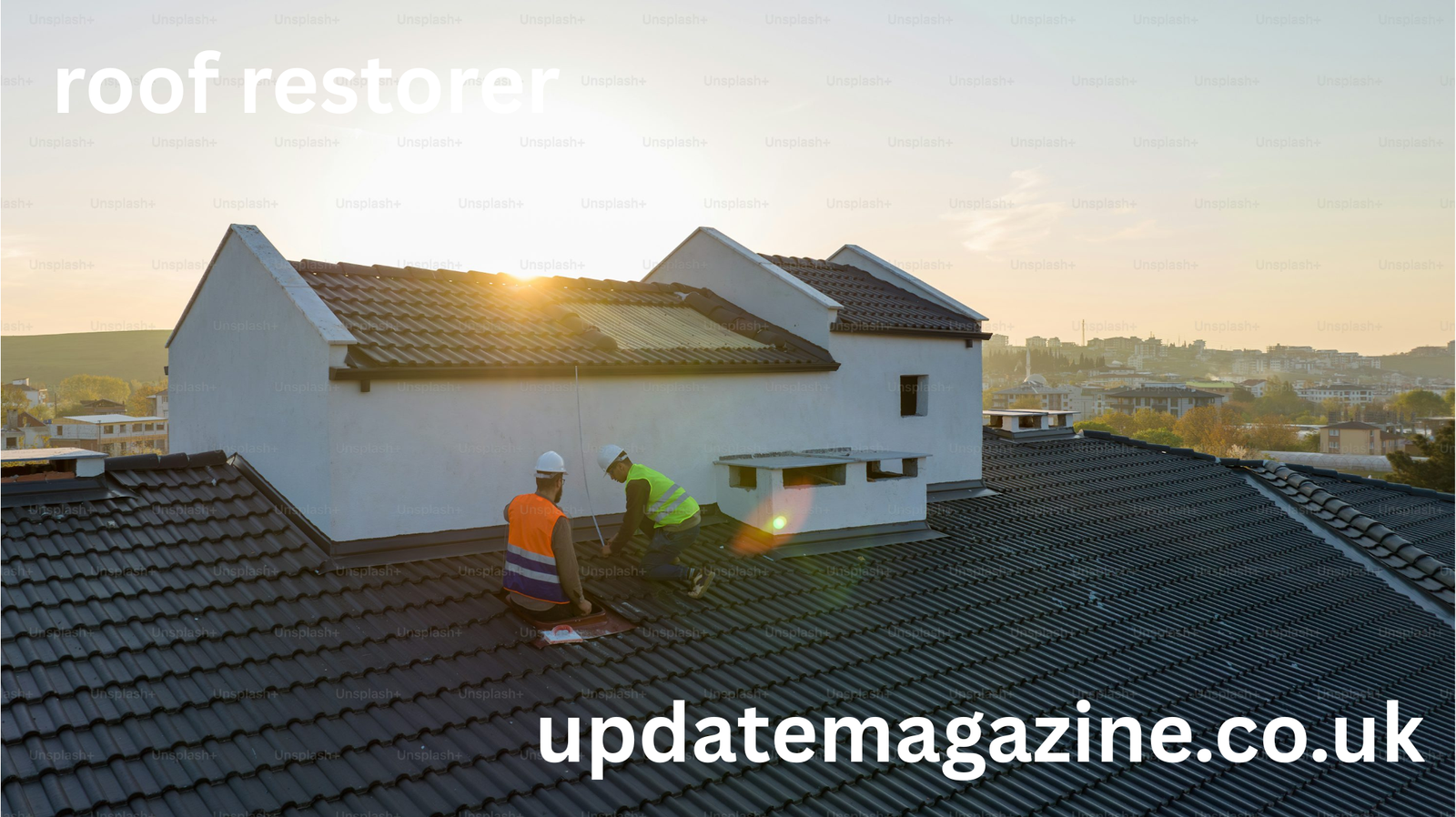
A roof restorer is one of the most important structural components of any building. It protects against weather, regulates temperature, and preserves the integrity of the property. Over time, however, roofs are exposed to sun, rain, wind, debris, and pollution, which can cause wear and deterioration. This is where the concept of a roof restorer becomes essential.
A roof restorer refers both to the professional service and the materials used to repair, clean, and rejuvenate an aging roof. Rather than replacing the entire roof, restoration focuses on extending its lifespan, improving appearance, and restoring functionality. This article explores what a roof restorer does, how roof restorer works, the materials involved, and why restoration is often a smart alternative to full replacement.
What Is a Roof Restorer
A roof restorer is a specialist or process dedicated to bringing a damaged or aging roof back to a functional and visually appealing condition. This may involve cleaning, repairing, sealing, and coating the roof surface.
Roof restoration does not mean rebuilding the roof restorer from scratch. Instead, it targets existing problems such as leaks, cracks, faded coatings, moss growth, and minor structural wear. The goal is to strengthen and protect the roof while improving its overall performance.
The Purpose of Roof Restoration
The main purpose of roof restoration is to extend the life of a roof without the cost and disruption of a full replacement. Over time, roofing materials lose protective coatings, develop cracks, or become porous.
Restoration addresses these issues by reinforcing weak areas, sealing entry points for water, and adding protective layers. This helps prevent future damage and delays the need for major reconstruction.
Types of Roofs That Can Be Restored
Many roof types are suitable for restoration. Common examples include tiled roofs, metal roofs, concrete roofs, and flat roofs. Each type requires specific materials and techniques.
Tiled roofs often need broken tile replacement and resealing. Metal roofs may require rust treatment and protective coatings. Flat roofs may need membrane repairs and waterproof coatings.
A professional roof restorer assesses the roof type and condition before choosing the appropriate approach.
Signs That a Roof Needs Restoration
Several visible and functional signs indicate that roof restoration may be needed. These include cracked or broken tiles, faded or peeling coatings, water stains on ceilings, moss or lichen growth, and rust patches on metal surfaces.
Another sign is increased energy costs, which may result from reduced insulation performance due to roof damage. Addressing these signs early can prevent more serious problems.
The Roof Restoration Process
Roof restoration follows a structured process designed to ensure durability and effectiveness. While steps may vary depending on roof type, most restorations follow a similar sequence.
Roof Inspection and Assessment
The first step is a thorough inspection. The roof restorer checks for structural damage, water penetration, loose materials, and surface wear. This assessment determines whether restoration is suitable or if replacement is necessary.
Accurate inspection ensures that underlying problems are identified and addressed before cosmetic improvements begin.
Roof Cleaning
Cleaning is a critical step in roof restoration. Dirt, algae, moss, and debris are removed using specialized methods. Cleaning not only improves appearance but also prepares the surface for repairs and coatings.
A clean surface ensures better adhesion of sealants and coatings, which improves long-term performance.
Repairs and Replacements
After cleaning, damaged sections are repaired. This may include replacing broken tiles, sealing cracks, tightening fasteners, or treating rusted areas.
Repair work ensures the roof is structurally sound before protective coatings are applied. Skipping this step can compromise the entire restoration.
Sealing and Waterproofing
Sealing is essential for preventing leaks and moisture intrusion. Sealants are applied to joints, ridges, and vulnerable areas.
Waterproofing treatments protect the roof from rain and humidity, reducing the risk of internal damage and mold growth.
Roof Coating and Finishing
The final step is applying protective roof coatings. These coatings enhance durability, reflect heat, and improve appearance.
Roof coatings also provide UV protection, helping prevent future deterioration. Color restoration can significantly improve curb appeal.
Materials Used in Roof Restoration
Different materials are used depending on roof type and condition. Common materials include elastomeric coatings, acrylic sealants, metal primers, and tile rebedding compounds.
Modern restoration materials are designed to be flexible, weather-resistant, and long-lasting. Choosing the right materials is key to successful restoration.
Benefits of Roof Restoration
Roof restoration offers numerous benefits for property owners. One major advantage is cost savings. Restoration typically costs much less than full replacement.
Another benefit is improved appearance. A restored roof can dramatically enhance the visual appeal of a building.
Restoration also improves energy efficiency. Reflective coatings can reduce heat absorption, lowering cooling costs.
Roof Restoration vs Roof Replacement
Roof restoration and roof replacement serve different purposes. Replacement involves removing the existing roof and installing a new one, which is costly and time-consuming.
Restoration is ideal when the roof structure is still sound but shows surface wear. It extends lifespan without major disruption.
Choosing between restoration and replacement depends on roof condition, budget, and long-term goals.
Environmental Impact of Roof Restoration
Roof restoration is more environmentally friendly than replacement. It reduces waste by reusing existing materials rather than sending them to landfills.
Restoration also reduces the demand for new roofing materials, conserving resources and lowering environmental impact.
Sustainable building practices increasingly favor restoration when feasible.
Energy Efficiency and Thermal Performance
Modern roof restoration coatings often include reflective properties that reduce heat absorption. This helps regulate indoor temperatures and improves comfort.
Improved thermal performance reduces reliance on heating and cooling systems, leading to lower energy bills and reduced carbon footprint.
Maintenance After Roof Restoration
After restoration, regular maintenance helps preserve results. Simple actions such as clearing debris, checking seals, and scheduling inspections can extend the roof’s restored life.
Maintenance ensures that minor issues are addressed before they become major problems.
Common Mistakes in Roof Restoration
One common mistake is applying coatings without proper cleaning or repairs. This can lead to poor adhesion and early failure.
Another mistake is choosing low-quality materials or inexperienced contractors. Roof restoration requires expertise and proper techniques.
Avoiding shortcuts ensures long-lasting results.
The Role of Professional Roof Restorers
Professional roof restorers bring experience, safety equipment, and technical knowledge. They understand roofing systems and can identify hidden issues.
Professional restoration also ensures compliance with building standards and safety regulations.
While some minor repairs may be done independently, full restoration is best handled by experts.
Cost Factors in Roof Restoration
The cost of roof restoration varies based on roof size, type, condition, and materials used. Additional factors include labor, access difficulty, and extent of repairs.
Although costs vary, restoration remains a cost-effective alternative to replacement in most cases.
How Long Does Roof Restoration Last
A properly restored roof can last many years, depending on materials and maintenance. High-quality coatings and regular inspections extend longevity.
While restoration is not permanent, it significantly delays the need for replacement.
Roof Restoration for Residential Properties
For homeowners, roof restoration improves protection, appearance, and property value. It also reduces the risk of leaks and interior damage.
A well-maintained roof contributes to overall home comfort and resale appeal.
Roof Restoration for Commercial Buildings
Commercial properties benefit from restoration through reduced downtime and operational disruption. Large roofs can be restored efficiently without halting business activities.
Energy savings and long-term cost control are especially important for commercial buildings.
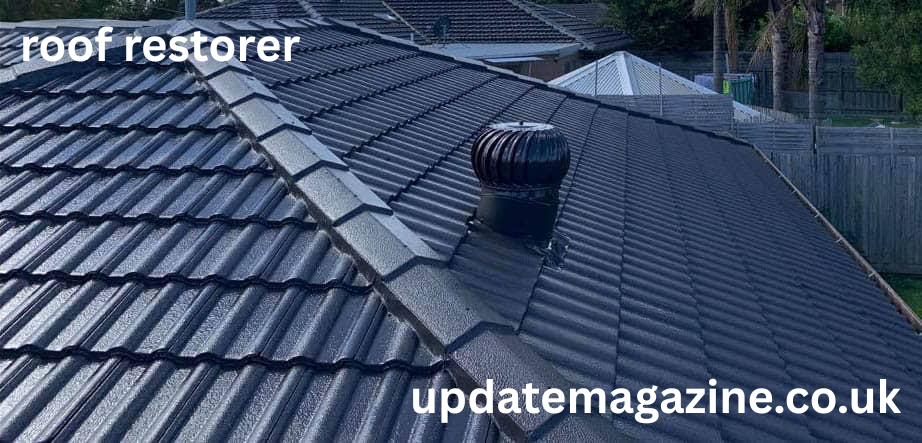
Safety Considerations in Roof Restoration
roof restorer involves working at heights and handling specialized equipment. Safety precautions are essential to prevent accidents.
Professional restorers follow strict safety procedures, including harnesses, scaffolding, and protective gear.
Safety should never be compromised for speed or cost.
Choosing the Right Roof Restorer
Selecting a skilled roof restorer is critical. Look for experience, proper training, and a clear restoration plan.
A good restorer provides transparent assessments and realistic expectations rather than quick fixes.
The Future of Roof Restoration
Advancements in materials and technology continue to improve roof restoration methods. New coatings offer better durability, energy efficiency, and environmental benefits.
As sustainability becomes more important, roof restoration is expected to grow in popularity.
Conclusion
A roof restorer plays a vital role in maintaining and extending the life of roofs across residential and commercial properties. Roof restoration offers a practical, cost-effective, and environmentally responsible solution to aging roofs.
By understanding the process, materials, and benefits, property owners can make informed decisions that protect their investment and enhance building performance. When done correctly, roof restoration restores not just the roof’s appearance, but its strength, efficiency, and reliability for years to come.