

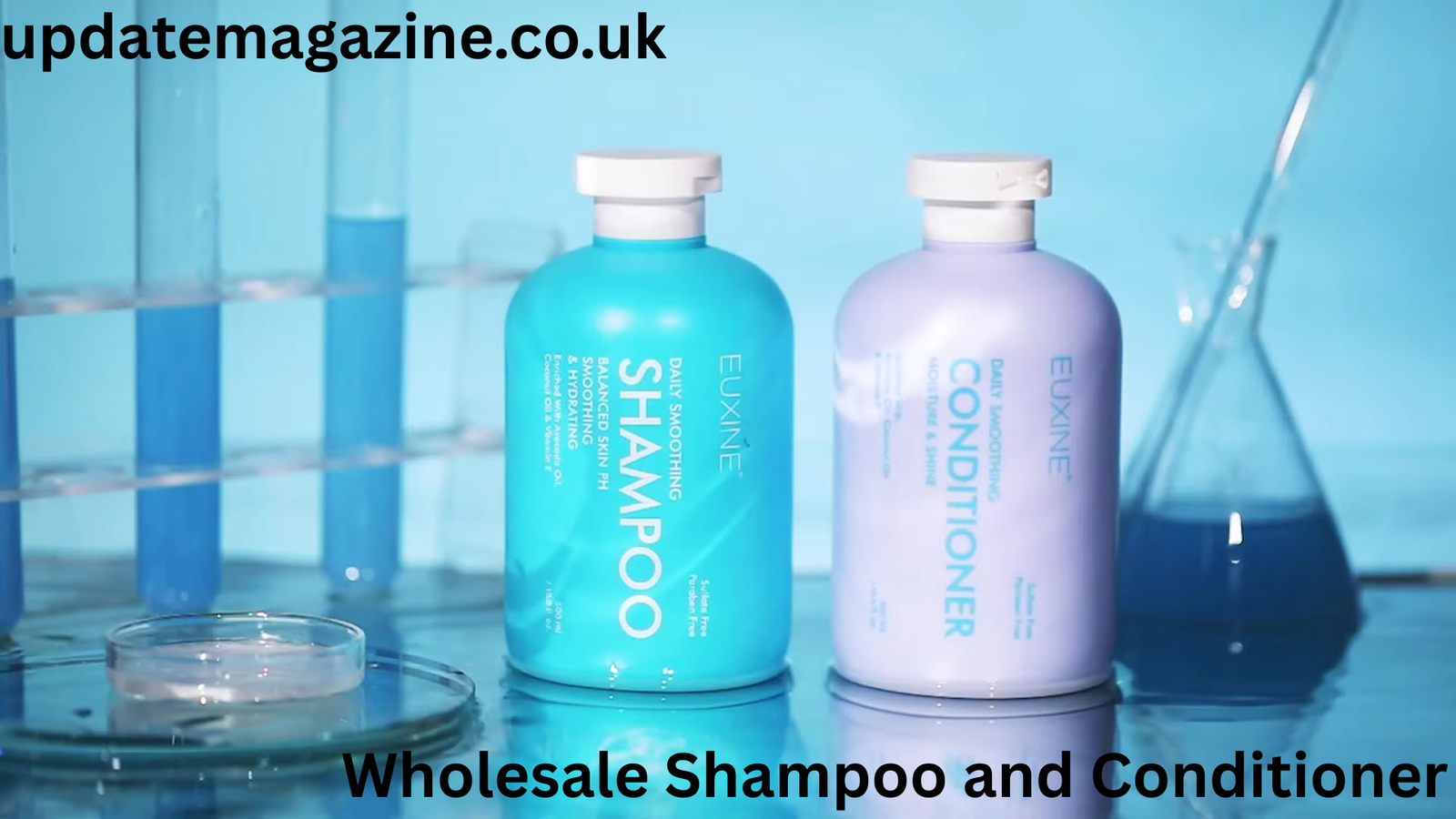
The beauty and personal care industry continues to expand rapidly, with haircare products remaining among the top-selling categories worldwide. Wholesale Shampoo and Conditioner, in particular, are everyday necessities used by nearly every household, salon, and professional stylist. As demand grows, more businesses are turning to wholesale shampoo and conditioner suppliers to access competitive prices, premium formulas, and bulk quantities that increase profit margins.
Whether you operate a salon, own a retail store, manage an e-commerce brand, or run a private-label haircare line, buying Wholesale Shampoo and Conditioner in bulk can significantly streamline your operations and boost your business. This complete guide explores everything you need to know about wholesale haircare products—types, benefits, sourcing tips, pricing, private labeling, and how to choose the best supplier.
1. What Is Wholesale Shampoo and Conditioner?
Wholesale shampoo and conditioner refers to purchasing haircare products in large quantities directly from manufacturers, distributors, or wholesalers at significantly discounted prices. These products can then be:
- Resold in retail stores or online
- Used in professional settings, such as salons and spas
- Packaged as private-label brands
- Supplied to hotels, gyms, barbershops, or wellness centers
Wholesale haircare products are available in various formulas, sizes, and packaging options—from gallon jugs for salons to small bottles for resale and distribution.
2. Why Buy Shampoo and Conditioner Wholesale?
Purchasing wholesale shampoo and conditioner provides numerous advantages, especially for businesses focusing on cost efficiency and brand growth.
A. Lower Cost Per Unit
The main benefit is reduced cost. Buying in bulk lowers the price per bottle, giving retailers and professionals more room for profit.
B. Consistent Product Supply
Buying Wholesale Shampoo and Conditioner ensures a steady supply of Wholesale Shampoo and Conditioner—essential for salons, hotels, and retail businesses.
C. Better Profit Margins
Retailers typically double or triple profits when Wholesale Shampoo and Conditioner individually.
D. Customization Opportunities (Private Labeling)
Many wholesalers offer private-label manufacturing, allowing you to:
- Add your logo
- Choose your fragrance
- Customize ingredients
- Change packaging
This is ideal for businesses creating their own brand.
E. Professional-Grade Formulas
Salons and beauty professionals can access high-quality formulas specially designed for:
- Color protection
- Keratin treatments
- Deep hydration
- Curly hair care
- Damage repair
F. Eco-Friendly & Cost-Effective Refills
Bulk gallon jugs reduce plastic waste and provide convenient refilling stations for salons.
3. Types of Wholesale Shampoos and Conditioners
Understanding product types helps you choose formulas that meet your business needs.
1. Professional Salon-Grade Products
These are premium formulas used by hairstylists and salons. Benefits include:
- High concentration
- Better ingredients
- Designed for multiple hair types
- Long-lasting fragrance
Popular salon-grade categories:
- Color-safe shampoos
- Moisture-rich conditioners
- Clarifying shampoos
- Keratin or protein therapy products
2. Organic & Natural Shampoo and Conditioner
Growing demand for clean beauty makes organic wholesale products highly profitable.
Features:
- Free from sulfates, parabens, and silicones
- Made with botanical extracts
- Gentle on scalp and hair
- Eco-friendly packaging options
3. Hotel & Hospitality Shampoo and Conditioner
Hotels, resorts, spas, and airlines purchase travel-size bottles in bulk. These products are usually:
- 20–60 ml bottles
- Cost-effective
- Available in scented collections
- Eco-friendly varieties
4. Private-Label Haircare Products
Wholesale suppliers often allow you to:
- Build your own brand
- Customize formulas
- Choose packaging
- Set pricing
Perfect for entrepreneurs entering the beauty industry.
5. Specialty Haircare Formulas
These target specific hair concerns, such as:
- Anti-dandruff
- Anti-frizz
- Curly hair (CURLY GIRL friendly)
- Hair growth formulas
- Men’s haircare products
- Baby shampoo
- Sensitive scalp treatments
6. Bulk Gallons and Liters for Salons
These large containers ensure professionals never run out of product during services.
4. What to Look for in a Wholesale Shampoo & Conditioner Supplier
Choosing the right supplier determines product quality, reliability, and long-term success.
A. Product Quality and Ingredients
Check for:
- Natural or organic ingredients
- Professional formulations
- Certifications (Cruelty-free, vegan, sulfate-free)
- High customer reviews
B. Minimum Order Quantities (MOQs)
Some suppliers require large orders, while others offer flexible minimums—ideal for small businesses or startups.
C. Pricing and Bulk Discounts
Compare:
- Cost per unit
- Bulk tier pricing
- Shipping fees
- Customization charges
D. Private Label & White Label Services
Choose suppliers that offer:
- Custom logos
- Unique fragrances
- Branding and packaging
- Fast turnaround time
E. Reliability & Customer Support
A good supplier provides:
- Timely deliveries
- Inventory consistency
- Responsive communication
F. Regulatory Compliance
Ensure products meet:
- FDA guidelines (for the U.S.)
- EU cosmetic regulations (for Europe)
- Safety and labeling standards
A credible supplier should provide safety data sheets (SDS) and ingredient lists upon request.
5. Best Places to Buy Wholesale Shampoo and Conditioner
Here are the most common sources for purchasing bulk haircare products:
1. Direct from Manufacturers
Ideal for:
- Lower prices
- Consistent supply
- Private-label customization
2. Beauty Supply Wholesalers
These companies carry multiple brands and offer discounted pricing.
3. Online Wholesale Marketplaces
Platforms such as:
- Alibaba
- Amazon Business
- WholesaleCosmetics
- DHgate
These provide access to international suppliers with competitive pricing.
4. Local Distributors
Local wholesalers offer:
- Faster shipping
- No import taxes
- Reliable communication
5. Salon Supply Stores
They offer professional-quality brands for salon owners.
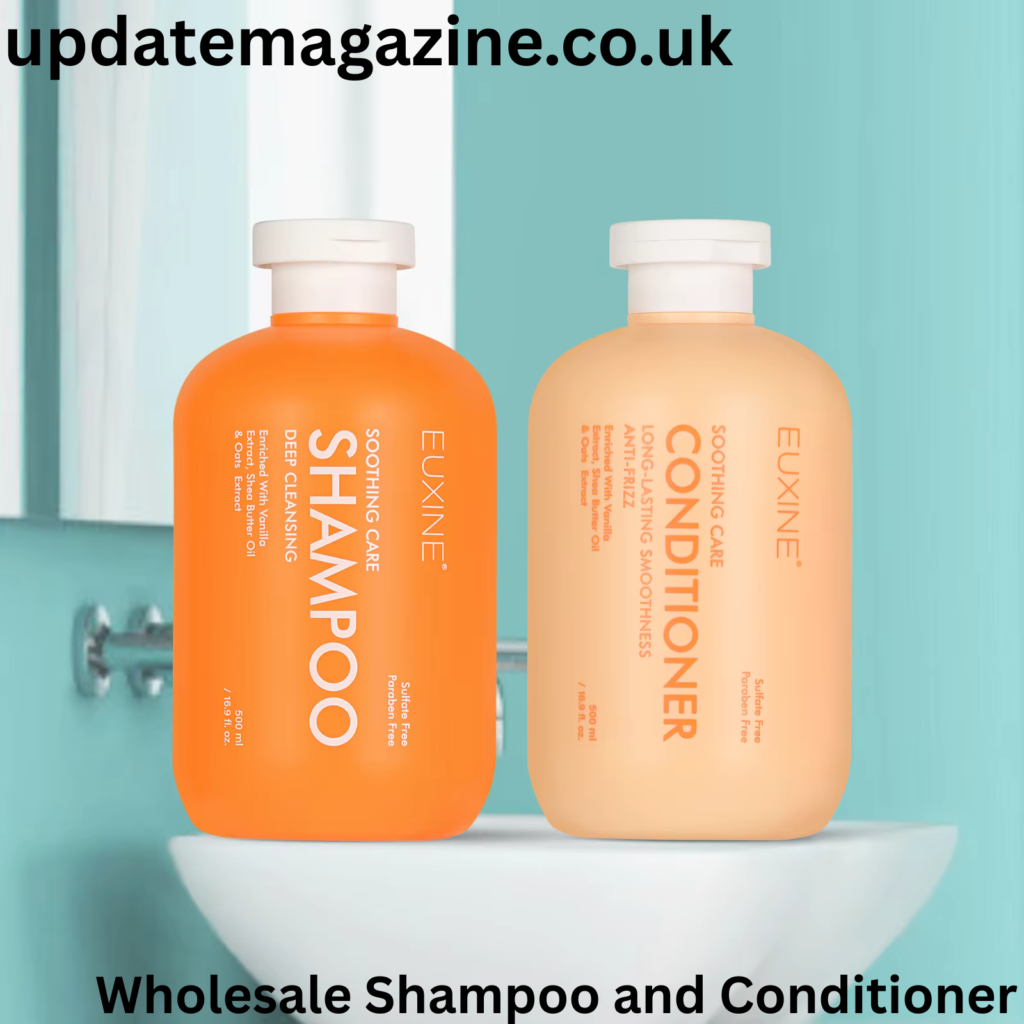
6. Wholesale Pricing: How Much Do Bulk Shampoos and Conditioners Cost?
Prices vary depending on:
- Brand
- Ingredients
- Order size
- Private labeling
General Price Ranges
- Hotel mini bottles: $0.20 – $1.00 each
- Retail 8–16 oz bottles: $2.00 – $10.00 (wholesale)
- Salon-grade liters: $10 – $25 each
- Gallon jugs: $20 – $60 each
- Private-label formulas: $3 – $12 per bottle
Businesses usually mark up retail haircare products by 100% to 300%.
7. Private Label Shampoo and Conditioner: A Growing Opportunity
Private labeling allows you to create your own brand using existing bulk formulas.
Benefits of Private Label Haircare
- You control branding and pricing
- Lower startup cost compared to manufacturing from scratch
- High profit margins
- Builds brand loyalty
- Ideal for salons, influencers, and retailers
Customization Options
- Bottle shape and size
- Scent and formula
- Labels and packaging
- Eco-friendly or cruelty-free ingredients
Popular Private Label Haircare Niches
- Organic and natural products
- Vegan shampoo
- Kids’ shampoo
- Beard and men’s grooming
- Curly hair products
- Anti-hair fall solutions
8. Key Ingredients to Look for in High-Quality Wholesale Haircare
Consumers today are ingredient-conscious. High-quality wholesale shampoo and conditioner typically include premium components like:
1. Moisturizing Ingredients
- Aloe vera
- Shea butter
- Argan oil
- Coconut oil
2. Strengthening Ingredients
- Keratin
- Biotin
- Collagen
- Silk proteins
3. Scalp Care Ingredients
- Tea tree oil
- Peppermint oil
- Salicylic acid
- Zinc pyrithione (anti-dandruff)
4. Natural & Botanical Extracts
- Chamomile
- Lavender
- Green tea
- Jojoba oil
5. Ingredients to Avoid
Many consumers avoid:
- Sulfates
- Parabens
- Mineral oil
- Phthalates
- Harsh alcohols
- Artificial preservatives
Offering clean formulas can significantly boost your sales.
9. How to Store and Maintain Wholesale Shampoo & Conditioner
Proper storage ensures product integrity and boosts shelf life.
Best Practices
- Store in cool, dry places
- Avoid direct sunlight
- Keep lids tightly sealed
- Rotate stock using FIFO (first in, first out)
- Maintain storage temperature between 60–75°F
Following these guidelines prevents product separation or degradation.
10. Selling Wholesale Shampoo & Conditioner: Tips for Retailers
If your goal is resale, these strategies help maximize sales:
A. Create Bundles
Bundle shampoo + conditioner sets for higher revenue.
B. Offer Trial Sizes
Sample sizes encourage customers to test products before buying full-size bottles.
C. Promote Clean Beauty
Highlight features like:
- Vegan
- Cruelty-free
- Organic
- Sulfate-free
D. Offer Subscription Plans
Monthly refills ensure repeat customers.
E. Collaborate with Influencers
Influencers help generate brand awareness and trust.
11. Wholesale Shampoo & Conditioner for Salons
Salons use Wholesale Shampoo and Conditioner daily, which makes wholesale purchasing essential for:
- Cost savings
- Consistency
- Professional results
Popular salon wholesale categories:
- Color-protecting formulas
- Moisturizing and deep-cleansing shampoos
- Smoothing and keratin Wholesale Shampoo and Conditioner
- Curly hair and texture-focused products
Bulk gallons or liters are most cost-effective for salon washing stations.
12. Shampoo & Conditioner for Hotels, Gyms & Hospitality Businesses
Hospitality businesses benefit from wholesale purchases by offering cost-effective amenities.
Types of hospitality haircare:
- Mini hotel bottles
- Refillable wall-mounted dispensers
- Eco-friendly packaging options
With sustainability trends rising, many hotels now prefer refillable dispensers to reduce waste.
13. Challenges When Buying Wholesale Shampoo and Conditioner
Despite the benefits, businesses may face certain challenges:
A. Product Quality Variations
Not all suppliers offer consistent formulas.
B. High Minimum Order Quantities
Some companies require large upfront purchases.
C. Shipping Delays
International suppliers may have long delivery times.
D. Limited Customization
Certain wholesalers restrict formula customization.
E. Storage Requirements
Bulk products require proper storage to prevent spoilage.
Understanding these challenges helps you choose the right supplier.
14. How to Choose the Right Shampoo & Conditioner Formula for Your Audience
Target different customer needs based on:
Hair Type
- Straight
- Curly
- Wavy
- Coily
Hair Concerns
- Dryness
- Frizz
- Hair loss
- Dandruff
Demographics
- Men
- Women
- Children
- Seniors
Matching products to your audience helps increase sales and customer satisfaction.
15. Final Thoughts: Why Wholesale Shampoo & Conditioner Is a Smart Investment
Wholesale shampoo and conditioner offer unmatched opportunities for businesses of all sizes. Whether you’re running a salon, launching a beauty brand, supplying hotels, or selling online, sourcing haircare products in bulk ensures cost savings, better inventory control, and higher profit margins. With professional-grade formulas, natural ingredients, and private-label options, the possibilities are endless.