

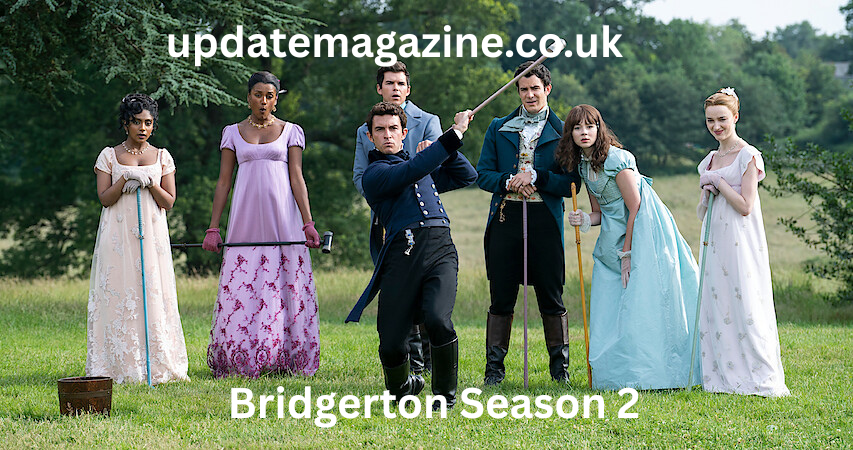
When Bridgerton Season 2 first premiered, it redefined the period drama for a modern audience. With its bold storytelling, diverse casting, and emotionally driven romance, the series quickly became a global phenomenon. Bridgerton Season 2 builds on this foundation while shifting its focus from fairytale passion to emotional maturity, duty, and the complexity of love. Rather than repeating the formula of its debut season, the second installment offers a deeper, slower-burning romance that explores family responsibility and personal sacrifice.
This article examines Bridgerton Season 2 in detail, covering its story, characters, themes, performances, production choices, and cultural impact.
A New Focus for a New Season
Unlike the first season, which centered on Daphne Bridgerton Season 2 and Simon Basset, Bridgerton Season 2 turns its attention to Bridgerton Season 2, the eldest sibling and Viscount Bridgerton Season 2. As head of the family, Anthony carries the weight of responsibility, social expectation, and emotional restraint.
The shift in focus signals a change in tone. While Season 1 emphasized romantic fantasy and discovery, Season 2 explores emotional conflict, self-denial, and the consequences of love shaped by duty rather than desire alone.
This evolution reflects the series’ broader ambition to tell varied love stories rather than repeat a single romantic pattern.
Anthony Bridgerton: Duty Versus Desire
Anthony Bridgerton undergoes significant development in Season 2. Haunted by the sudden death of his father and burdened by his role as head of the family, Anthony approaches marriage as a practical obligation rather than a romantic pursuit.
Determined not to marry for love, he seeks a suitable wife who will fulfill the role of viscountess without demanding emotional vulnerability. This mindset reflects his fear of loss and emotional pain, making him a deeply conflicted and layered character.
Season 2 allows viewers to see beyond Anthony’s rigid exterior, revealing a man struggling to balance responsibility with genuine emotional need.
The Arrival of the Sharma Sisters
Central to the season’s narrative are Kate Sharma and Edwina Sharma, sisters who arrive in London society with their mother. Their presence immediately disrupts the Bridgerton household and the marriage market.
Edwina, kind, graceful, and poised, quickly becomes the diamond of the season and the object of Anthony’s courtship. Kate, however, is fiercely protective, intelligent, and unwilling to compromise her values for social approval.
Kate’s sharp wit and independence set her apart from other debutantes, making her a compelling match for Anthony in ways neither initially expects.
Kate Sharma and the Power of Equality
Kate Sharma emerges as one of Bridgerton’s most complex and beloved characters. Unlike many women in the series, she is not driven by personal ambition for marriage. Instead, she prioritizes her sister’s happiness and her family’s future.
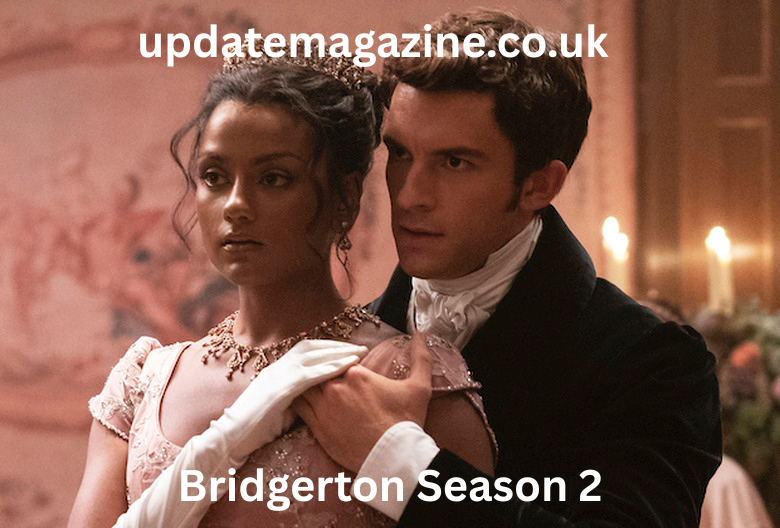
Kate challenges Anthony intellectually and emotionally. Their interactions are marked by tension, rivalry, and undeniable attraction. Rather than immediate romance, their relationship develops through conflict and mutual respect.
This dynamic creates a slow-burning romance rooted in equality rather than fantasy, emphasizing emotional compatibility over superficial charm.
The Slow-Burn Romance
One of the defining features of Bridgerton Season 2 is its deliberate pacing. The romance between Anthony and Kate unfolds gradually, built on glances, restrained emotions, and unresolved tension.
Unlike the instant passion of Season 1, this slow-burn approach allows for deeper emotional stakes. The audience is invited to sit with longing, frustration, and internal conflict, mirroring the characters’ own struggles.
This restrained storytelling proves that romance does not require constant physical intimacy to feel intense or compelling.
Love Triangles and Moral Conflict
The love triangle between Anthony, Kate, and Edwina is central to the season’s drama. Anthony’s courtship of Edwina, despite his growing feelings for Kate, creates a moral dilemma that drives much of the narrative.
Kate’s internal conflict is particularly poignant. Her desire to protect her sister clashes with her own emotions, forcing her to suppress her feelings for the sake of family duty.
This emotional complexity elevates the story beyond a traditional love triangle, emphasizing sacrifice, guilt, and the consequences of emotional denial.
Family Dynamics and Sibling Bonds
Family remains at the heart of Bridgerton Season 2. The Bridgerton siblings continue to provide warmth, humor, and emotional grounding throughout the series.
Anthony’s relationship with his mother, Violet Bridgerton, is especially significant. Violet encourages Anthony to embrace love rather than fear it, challenging his belief that emotional detachment is necessary for survival.
Similarly, the bond between the Sharma sisters highlights themes of loyalty, sacrifice, and the pressure placed on women to prioritize family over personal fulfillment.
Lady Whistledown and Social Commentary
Lady Whistledown continues to serve as the voice of London society, offering commentary on scandals, romances, and social hypocrisy. Her narration provides continuity with Season 1 while deepening the show’s exploration of reputation and power.
Season 2 also continues to examine how gossip influences social standing and personal choices. Characters are often forced to navigate public perception alongside private emotion, reinforcing the tension between appearance and truth.
This social commentary adds depth to the romantic narrative, reminding viewers of the rigid structures governing Regency society.
Representation and Cultural Influence
Bridgerton Season 2 further strengthens the show’s commitment to inclusive casting and representation. The Sharma family’s background introduces South Asian cultural elements, adding richness and authenticity to the narrative.
Kate and Edwina’s heritage is treated with respect and integration rather than as a superficial detail. This representation resonates with global audiences and reinforces Bridgerton’s role in reshaping period drama conventions.
By blending historical settings with modern inclusivity, the series challenges traditional boundaries without losing emotional credibility.
Performances and Character Chemistry
The performances in Season 2 play a major role in its success. Jonathan Bailey delivers a nuanced portrayal of Anthony Bridgerton, capturing vulnerability beneath authority and restraint.
Simone Ashley’s portrayal of Kate Sharma is widely praised for its strength, emotional depth, and commanding presence. Her chemistry with Bailey anchors the season, making every interaction feel charged and meaningful.
Charithra Chandran brings warmth and grace to Edwina, ensuring that the love triangle remains emotionally balanced rather than villainizing any character.
Visual Style and Production Design
Visually, Bridgerton Season 2 maintains the lush aesthetic established in the first season. Lavish costumes, elegant ballrooms, and detailed set design immerse viewers in a romanticized Regency world.
The costume design subtly reflects character development. Kate’s wardrobe evolves as she becomes more emotionally open, while Anthony’s structured attire reinforces his internal rigidity.
The continued use of modern music reimagined as classical arrangements adds emotional resonance and reinforces the show’s unique stylistic identity.
Themes of Trauma and Healing
Season 2 delves more deeply into emotional trauma, particularly Anthony’s unresolved grief over his father’s death. His fear of love is rooted in the belief that attachment leads to unbearable loss.
Kate also carries emotional wounds shaped by responsibility and self-sacrifice. Both characters must confront their pasts to move forward, making healing a central theme.
This focus on emotional recovery adds realism and maturity to the romance, resonating with viewers who appreciate character-driven storytelling.
Feminine Agency and Choice
Women’s agency is more prominent in Season 2. Kate, Edwina, and Violet all assert their perspectives, challenging societal expectations in different ways.
Kate’s refusal to conform to traditional debutante behavior reinforces the idea that fulfillment does not come from obedience alone. Edwina’s growth reflects the importance of self-awareness and personal choice.
These narratives collectively emphasize that love should be chosen freely, not imposed by obligation or social pressure.
Reception and Audience Response
Bridgerton Season 2 received strong viewership and widespread discussion following its release. While some viewers initially missed the intensity of Season 1’s romance, many came to appreciate the emotional depth and character development of the second season.
The slow-burn romance sparked debate, but it also demonstrated the show’s willingness to evolve rather than repeat itself. This willingness to take narrative risks helped solidify Bridgerton as a long-term storytelling project rather than a one-season success.
Setting the Stage for Future Seasons
Season 2 lays important groundwork for future storylines. Secondary characters such as Penelope Featherington, Eloise Bridgerton, and Benedict Bridgerton continue to develop, hinting at upcoming narratives.
By focusing on emotional growth and character evolution, the season ensures that future romances will feel earned and meaningful.
This layered approach strengthens the series’ longevity and narrative cohesion.
Why Bridgerton Season 2 Matters
Bridgerton Season 2 matters because it challenges expectations. It proves that romance can be intense without being rushed, and that emotional restraint can be just as compelling as physical passion.
By focusing on responsibility, sacrifice, and healing, the season offers a more mature exploration of love. It reflects the idea that true partnership requires vulnerability, honesty, and emotional courage.
This thematic depth sets Bridgerton Season 2 apart as a meaningful evolution rather than a simple continuation.
Conclusion
Bridgerton Season 2 is a rich, emotionally layered chapter in the series’ ongoing story. Through Anthony and Kate’s journey, it explores love shaped by duty, fear, and personal growth. Its slow-burn romance, strong performances, and thoughtful themes elevate it beyond conventional period drama.
By embracing emotional complexity and character-driven storytelling, Bridgerton Season 2 reinforces the show’s place as a modern reimagining of romance. It reminds viewers that love is not just about passion, but about choice, courage, and the willingness to face one’s own heart.